
nanoblock instructions

Nanoblock instructions are essential for creating intricate models with precision and detail. They provide step-by-step guidance, ensuring a smooth and enjoyable building experience for enthusiasts of all skill levels.

Why Nanoblock Instructions Are Essential

Nanoblock instructions are crucial for achieving precise and detailed results. They provide a clear, step-by-step guide, ensuring that even the tiniest bricks are placed correctly. Without these instructions, builders may struggle with misplacements or incomplete models. The instructions act as a roadmap, breaking down complex designs into manageable steps. They cater to all skill levels, making the building process accessible and enjoyable. By following the instructions, builders can avoid frustration and ensure a successful outcome. Whether you’re a novice or an experienced enthusiast, Nanoblock instructions are indispensable for creating stunning and intricate models with ease and confidence.

Understanding the Importance of Step-by-Step Guidance

Step-by-step guidance in Nanoblock instructions is vital for ensuring accuracy and reducing errors. Each phase is meticulously detailed, allowing builders to follow a logical progression. This structured approach minimizes confusion, especially for complex models. The instructions often include visual cues and color-coded components, enhancing clarity. By breaking down the assembly process into manageable parts, builders can focus on one step at a time, maintaining organization and precision. This methodical guidance fosters confidence and skill development, making it easier to tackle intricate designs. Ultimately, step-by-step instructions empower builders to achieve professional-quality results, transforming individual bricks into breathtaking miniature masterpieces with patience and dedication.

Types of Nanoblock Instructions

Nanoblock instructions come in traditional paper booklets and digital formats, offering clear step-by-step guides with enhanced visual cues for a smooth building experience.

Traditional Paper Booklets

Traditional paper booklets are the most common form of Nanoblock instructions, typically included within each set. These booklets provide a straightforward, step-by-step guide to assembling intricate models. They feature clear diagrams, often with numbered sequences, to help builders navigate the process effortlessly. Color-coded representations of bricks are frequently used to enhance clarity, making it easier to identify the correct pieces for each step. The tactile nature of paper booklets allows for easy referencing while building, and their visual cues cater to builders of all skill levels. This format remains popular for its simplicity and effectiveness in guiding users through complex builds, ensuring a satisfying and precise construction experience.

Digital and Interactive Formats

Digital and interactive formats of Nanoblock instructions offer a modern and engaging way to build intricate models. Available on websites and apps, these formats often include zoomable diagrams, 3D views, and animated step-by-step guides. They allow builders to rotate models and access additional tips, enhancing the learning experience. Some platforms provide downloadable PDFs, combining the convenience of digital access with the familiarity of traditional booklets. Interactive tools cater to visual learners, making complex builds more accessible. Websites like BlockGuide and dedicated YouTube channels supplement these resources, offering tutorials and community insights. This digital evolution ensures builders can choose the format that best suits their preferences, optimizing their Nanoblock experience for efficiency and enjoyment.

Reading Nanoblock Instructions Effectively

Reading Nanoblock instructions requires patience and attention to detail. Use color-coding, good lighting, and organize your workspace to ensure accuracy and a seamless building experience.

Top Tips for Maximizing Understanding

  • Take your time to carefully review each step in the instructions to avoid misinterpretations.
  • Utilize the color-coding system to quickly identify the correct bricks for each step.
  • Use a magnifying glass or good lighting to see small details clearly.
  • Organize your workspace with a building mat or tray to keep bricks sorted.
  • Break down complex builds into smaller, manageable sections.
  • Refer to online communities or forums for additional tips and solutions.

By following these strategies, you can navigate Nanoblock instructions with confidence and enjoy a smooth, rewarding building experience.

Utilizing Color-Coding and Visual Cues

Nanoblock instructions often employ color-coding and visual cues to enhance clarity and simplify the building process. Color-coded bricks help users quickly identify the correct pieces for each step, reducing confusion and saving time. Visual cues, such as arrows and symbols, provide clear guidance on brick placement, orientation, and alignment. These features are particularly helpful for intricate models, where precision is key. By leveraging these tools, builders can follow instructions more efficiently, ensuring accuracy and reducing the likelihood of errors. This visual approach makes the instructions accessible to builders of all skill levels, fostering a more enjoyable and rewarding experience.

Organizing Your Workspace for Success

A well-organized workspace is crucial for a smooth Nanoblock building experience. Start by clearing a flat, stable surface and using a building mat or tray to keep bricks tidy. Sort bricks by color or shape to quickly locate specific pieces. This saves time and reduces frustration. Consider using small containers or compartments to separate bricks, especially for large sets. A magnifying glass or good lighting can enhance visibility, while tweezers help handle tiny pieces. Keeping your workspace organized ensures you can focus on the instructions without distractions. A clutter-free environment promotes efficiency and enjoyment, making the building process more rewarding and stress-free.

Troubleshooting Common Issues

Common issues when building with Nanoblock instructions often involve misaligned bricks or unclear steps. Patience and persistence are key; re-examining instructions or using magnifying tools can help resolve challenges effectively.

Strategies for Overcoming Challenges

When facing difficulties with Nanoblock instructions, several strategies can help. First, carefully re-examine the instructions to ensure accuracy. Using a magnifying glass or good lighting can enhance visibility, especially for small details. Breaking complex builds into smaller sections can make the process more manageable. Consulting online forums or dedicated Nanoblock communities often provides solutions from experienced builders. Taking a break and revisiting the instructions with a fresh perspective can also clarify confusing steps. Additionally, organizing bricks and using a building mat can reduce frustration. Patience and persistence are key, as these strategies help overcome challenges and achieve a successful build.

Using Tools for Better Visibility

Enhancing visibility is crucial when working with Nanoblock instructions, especially due to the tiny size of the bricks. A magnifying glass or good lighting can significantly improve detail recognition, making it easier to follow instructions. Tweezers are another valuable tool, helping to handle small pieces with precision. For intricate designs, consider using a loupe or even a microscope for extreme detail. Additionally, organizing your workspace with a building mat or tray keeps bricks tidy and prevents loss. These tools not only aid in accuracy but also reduce frustration, ensuring a smoother and more enjoyable building experience. Investing in the right tools can elevate your Nanoblock crafting skills.

Breaking Down Complex Builds

Complex Nanoblock builds can be overwhelming, but breaking them into smaller sections simplifies the process. Start by identifying key components of the model and tackling one at a time. This approach helps maintain focus and reduces confusion. Use the instructions to guide each phase, ensuring accuracy and completion. Prioritize foundational pieces first, as they provide stability for subsequent layers. Taking breaks between sections allows for a fresh perspective, preventing errors. Managing intricate details incrementally fosters patience and mastery, ensuring a polished final product. This methodical strategy turns daunting projects into achievable tasks, making even the most elaborate Nanoblock creations manageable and rewarding.

Additional Resources for Nanoblock Enthusiasts

Explore online communities, dedicated websites, and YouTube channels for Nanoblock instructions, offering detailed guides, tips, and support to enhance your building experience and expand your creativity.

Online Communities and Forums

Online communities and forums are invaluable resources for Nanoblock enthusiasts, offering a space to share ideas, ask questions, and learn from fellow builders. Websites like blockguide.ch and Manuall.co.uk provide extensive libraries of instructions and user guides. Additionally, platforms like Reddit’s r/Nanoblocks and the Nanoblocks Wiki foster collaboration and knowledge-sharing among enthusiasts. These communities often feature detailed troubleshooting guides, tips, and tricks, as well as user-created content. By engaging with these forums, builders can gain insights, solve challenges, and enhance their Nanoblock experience. Whether you’re a beginner or an expert, these resources offer a supportive environment to grow your skills and connect with like-minded hobbyists.

Dedicated Websites and YouTube Channels

Dedicated websites like Block Guide and NanoBlock Instruction offer comprehensive collections of Nanoblock instructions, catering to both casual builders and avid enthusiasts. These platforms provide detailed step-by-step guides, high-quality images, and downloadable PDFs for offline use. Additionally, YouTube channels such as NanoBlock Instructions Channel and Christopher Tan Designs offer video tutorials, making complex builds more accessible. These visual guides are particularly helpful for understanding intricate steps, offering a dynamic and immersive learning experience. By leveraging these resources, builders can enhance their skills and confidently tackle even the most challenging Nanoblock projects.

Nanoblock instructions are indispensable for creating intricate and detailed models, offering a rewarding experience for builders of all skill levels. They provide clear, step-by-step guidance, ensuring precision and enjoyment. Whether through traditional paper booklets or digital formats, these instructions cater to diverse preferences, enhancing the building process. The inclusion of visual cues, color-coding, and interactive tools further aids understanding. Online communities, dedicated websites, and YouTube channels offer additional support, fostering a sense of connection among enthusiasts. By following Nanoblock instructions, builders can unlock their creativity, achieve a sense of accomplishment, and bring their miniature masterpieces to life with ease and confidence.

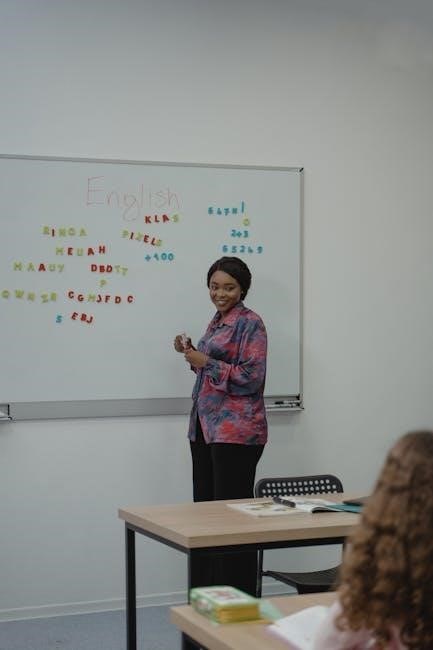
instruct the ignorant

Instructing the ignorant requires empathy, patience, and a clear understanding of their knowledge gaps․ Education bridges ignorance, fostering awareness and critical thinking․ Empowering others through knowledge enriches society․

1․1 Understanding the Concept of Ignorance

Ignorance refers to a lack of knowledge, information, or understanding about a particular topic or subject․ It is a natural state that arises from limited exposure, education, or cultural barriers․ Ignorance can manifest in various forms, such as misinformation, unawareness of facts, or a misunderstanding of concepts․ Recognizing ignorance is the first step toward addressing it, as it allows individuals to seek knowledge and clarification․ Overcoming ignorance requires empathy, education, and a willingness to learn, ensuring that individuals can grow intellectually and socially․

1․2 The Importance of Education in Addressing Ignorance

Education is a powerful tool for combating ignorance, as it provides individuals with the knowledge and skills needed to understand the world․ Through structured learning, education dismantles misinformation and fosters critical thinking․ It equips people with the ability to question assumptions and seek truth, thereby reducing the prevalence of ignorance․ By promoting literacy, numeracy, and cultural awareness, education empowers individuals to make informed decisions, contributing to personal and societal progress․ Thus, education serves as the cornerstone in the fight against ignorance, enabling individuals to navigate complex realities effectively․

The Psychology of Ignorance

Ignorance stems from cognitive biases and limited knowledge, often reinforced by overconfidence․ Psychological factors like the Dunning-Kruger effect highlight how unaware individuals may overestimate their understanding, hindering growth․

2․1 Cognitive Biases and Their Role in Perpetuating Ignorance

Cognitive biases, such as confirmation bias and the Dunning-Kruger effect, significantly contribute to ignorance․ These biases distort perception, leading individuals to overlook evidence and cling to misconceptions․ Confirmation bias, for instance, makes people favor information that aligns with their beliefs, while the Dunning-Kruger effect causes overconfidence in inaccurate knowledge․ These mental shortcuts prevent the acceptance of new information, reinforcing ignorance․ Addressing these biases requires awareness and critical thinking, enabling individuals to question their assumptions and seek truth․

2․2 The Dunning-Kruger Effect: When Ignorance Meets Confidence

The Dunning-Kruger effect occurs when individuals with limited knowledge or skills overestimate their competence․ This cognitive bias creates a dangerous mix of ignorance and confidence, leading people to make poor decisions despite their lack of understanding․ It often stems from metacognitive deficits, where individuals cannot objectively assess their own abilities․ This phenomenon highlights the challenge of addressing ignorance, as those affected are unaware of their knowledge gaps․ Recognizing this effect is crucial for fostering humility and a willingness to learn, which are essential for overcoming ignorance and fostering intellectual growth․

Effective Strategies for Instructing the Ignorant

Effective instruction requires patience, empathy, and clear communication․ Using analogies and relatable examples simplifies complex concepts, fostering understanding and engagement in learners․

3․1 Patience and Empathy in the Learning Process

Patience and empathy are crucial when instructing the ignorant․ Recognizing knowledge gaps without judgment fosters a safe learning environment․ Empathy builds trust, encouraging learners to ask questions and seek clarification․ Patience allows educators to break down complex ideas into digestible parts, ensuring understanding․ By combining these qualities, educators create a supportive atmosphere where learners feel comfortable admitting ignorance and actively participate in their own education․ This approach not only enhances learning but also empowers individuals to embrace lifelong knowledge acquisition․

3․2 Using Analogies and Relatable Examples to Simplify Complex Concepts

Using analogies and relatable examples is a powerful way to simplify complex concepts for the ignorant․ By bridging knowledge gaps with familiar scenarios, educators make abstract ideas more accessible․ For instance, explaining technical processes through everyday experiences, like comparing coding to cooking, helps learners visualize and understand․ Relatable examples reduce confusion and enhance engagement, making the learning process more effective․ This approach ensures that even intricate topics are presented in a digestible manner, fostering comprehension and retention․ It’s a key strategy for making education inclusive and impactful․

3․3 Encouraging Critical Thinking and Questioning

Encouraging critical thinking and questioning is essential when instructing the ignorant․ It fosters curiosity, analysis, and informed decision-making․ By promoting a culture where questions are valued, educators help learners move beyond mere memorization to deeper understanding․ This approach breaks down barriers of ignorance by empowering individuals to seek knowledge independently․ Open-ended discussions and real-world applications further enhance the ability to think critically, ensuring that learning is both meaningful and lasting․ Cultivating a safe environment for inquiry is key to unlocking intellectual growth and awareness․

The Role of Technology in Educating the Ignorant

Technology plays a pivotal role in educating the ignorant by providing accessible resources and tools․ It bridges knowledge gaps, enabling lifelong learning and fostering awareness globally․

4․1 Search Engines and Their Impact on Access to Information

Search engines have revolutionized access to information, enabling users to retrieve targeted results quickly․ They empower individuals to address knowledge gaps, fostering education and awareness․ By mastering search query syntax, users can refine results, enhancing learning efficiency․ However, challenges like information overload and misinformation persist, requiring critical thinking․ Search engines democratize knowledge, making it accessible globally and promoting lifelong learning․ They serve as essential tools in educating the ignorant, bridging gaps and empowering individuals to seek understanding․ Their impact is profound, reshaping how we acquire and utilize information in the digital age․

4․2 The Benefits and Limitations of Online Learning Platforms

Online learning platforms offer unprecedented access to education, breaking barriers of time and location․ They provide diverse courses, catering to various learning needs and styles․ However, limitations exist, such as the need for self-discipline and potential disparities in content quality․ Despite these challenges, platforms like Coursera and Khan Academy democratize education, enabling individuals to address ignorance proactively․ They empower learners to acquire new skills and knowledge, fostering personal growth and societal progress․ Balancing convenience with critical engagement is key to maximizing their educational potential and impact․

Real-World Examples of Successful Education

Historical literacy movements and modern digital education initiatives exemplify how targeted instruction reduces ignorance․ Their success demonstrates the transformative power of education in empowering individuals globally․

5․1 Historical Movements for Literacy and Education

Historical movements, such as the global push for universal literacy in the 19th and 20th centuries, illustrate the societal impact of educating the ignorant․ These movements, often led by governments and non-profits, emphasized access to education for all, regardless of class or gender․ For example, the establishment of public schools and compulsory education laws transformed societies by reducing ignorance and fostering economic growth․ These efforts laid the foundation for modern education systems, proving that targeted instruction can eradicate widespread ignorance and empower future generations․

5․2 Modern Initiatives for Global Education and Awareness

Modern initiatives like the United Nations’ Sustainable Development Goals and global campaigns for digital literacy are transforming education․ Organizations such as UNESCO and the Global Partnership for Education focus on eradicating ignorance by providing access to quality education worldwide․ Online platforms and mobile learning apps have also emerged, offering free or low-cost educational resources․ These efforts aim to bridge knowledge gaps, promote inclusivity, and empower individuals, ensuring that no one remains in ignorance due to lack of opportunities․ Technology plays a crucial role in these contemporary educational movements․

Addressing Misinformation and Disinformation

Addressing misinformation requires media literacy, fact-checking, and critical thinking․ Educating individuals to verify sources empowers them to combat ignorance and make informed decisions effectively online․

6․1 The Role of Media Literacy in Combating Ignorance

Media literacy equips individuals with the skills to critically analyze information, identify biases, and recognize misinformation․ By understanding how media operates, people can discern credible sources, enhancing their ability to make informed decisions․ This competence fosters a more informed society, reducing the spread of ignorance and promoting a culture of discernment and critical thinking in the digital age․ Educating individuals to navigate media effectively is essential for combating misinformation and fostering an informed populace․

6․2 Fact-Checking and Verification in the Digital Age

Fact-checking and verification are crucial tools for combating misinformation and ignorance․ In the digital age, where information spreads rapidly, verifying sources ensures accuracy and credibility․ Platforms and initiatives dedicated to fact-checking help identify false claims, fostering transparency and trust․ By encouraging individuals to question and verify information, society can reduce the spread of misinformation․ This practice promotes critical thinking and empowers people to make informed decisions, countering ignorance effectively in an increasingly complex information landscape․

The Importance of Lifelong Learning

Lifelong learning fosters personal growth and adaptability, enabling individuals to stay informed and overcome ignorance․ Embracing curiosity and continuous education empowers people to thrive in an evolving world․

7․1 Continuous Education as a Tool for Personal Growth

Continuous education is a powerful tool for personal growth, enabling individuals to stay informed and adaptable in a rapidly changing world․ It fosters empathy, critical thinking, and curiosity, helping people overcome ignorance and broaden their perspectives․ By embracing lifelong learning, individuals can acquire new skills, challenge assumptions, and develop a deeper understanding of the world․ This process not only enhances intellectual abilities but also builds confidence and resilience, encouraging individuals to confront and admit gaps in their knowledge․ Ultimately, continuous education empowers people to thrive and contribute meaningfully to society․

7․2 Overcoming the Fear of Asking Questions and Admitting Ignorance

Overcoming the fear of asking questions and admitting ignorance is crucial for personal growth and learning․ Many individuals hesitate to seek clarification due to fear of judgment or embarrassment․ However, acknowledging gaps in knowledge is the first step toward understanding․ Creating a supportive environment where questions are encouraged fosters curiosity and reduces stigma․ Admitting ignorance demonstrates humility and a willingness to learn, which are essential for intellectual development․ By embracing this mindset, individuals can break free from the constraints of unawareness and actively pursue knowledge with confidence and openness․