year 9 maths test with answers pdf

Year 9 Maths Test with Answers PDF: A Comprehensive Guide

Preparing for Year 9 maths? Accessing competency-based tests, specifically CBSE Class 9 exams for 2024-25, is crucial for success and practice.

Understanding the Year 9 Maths Curriculum

Year 9 mathematics builds upon foundational concepts from previous years, introducing more complex ideas and problem-solving techniques. Students will delve deeper into algebra, expanding their skills in manipulating expressions and solving equations. Geometry takes a prominent role, with a focus on lines, angles, triangles, and quadrilaterals, requiring spatial reasoning and proof construction.

Furthermore, the curriculum incorporates statistical analysis, including data representation through graphs and charts, alongside calculating measures of central tendency like mean, median, and mode. Number systems are explored, differentiating between rational and irrational numbers and understanding decimal expansions. A basic introduction to coordinate geometry lays the groundwork for future mathematical studies.

Crucially, the CBSE Class 9 exams for the academic year 2024-25 will feature competency-based questions, demanding not just rote memorization, but the application of mathematical knowledge to real-world scenarios. Understanding this curriculum is the first step towards effective preparation.

The Importance of Practice Tests

Regular practice tests are indispensable for Year 9 maths students aiming for success. They serve as more than just assessments; they’re powerful learning tools. By working through practice questions, students solidify their understanding of core concepts and identify areas needing improvement. Accessing Year 9 maths tests with answers, particularly those mirroring the CBSE format for 2024-25, is incredibly beneficial.

These tests simulate exam conditions, helping students manage time effectively and reduce test anxiety. Analyzing answers isn’t simply about finding the correct solution; it’s about understanding why an answer is correct or incorrect. This process reveals gaps in knowledge and reinforces proper problem-solving strategies.

Specifically, the upcoming CBSE Class 9 exams emphasize competency-based questions, making practice with similar question types essential for building confidence and achieving optimal results.

Where to Find Year 9 Maths Test PDFs

Locating reliable Year 9 maths test PDFs requires a strategic approach. Numerous online educational platforms offer downloadable resources, but verifying their accuracy and alignment with the CBSE curriculum (particularly for the 2024-25 academic year) is vital. Many school websites and teacher-shared resources also provide valuable practice materials.

Searching specifically for “CBSE Class 9 Maths Competency Test Items PDF” will yield relevant results. Educational websites specializing in exam preparation often curate collections of past papers and sample tests. Remember to prioritize resources that include answer keys for self-assessment.

Furthermore, exploring online forums and educational communities can connect you with other students and teachers sharing useful PDFs and practice materials. Always exercise caution and ensure the source is trustworthy before downloading any files.

CBSE Class 9 Maths Competency-Based Tests

The Central Board of Secondary Education (CBSE) is increasingly focusing on competency-based assessments for Class 9 Maths. These tests move beyond rote memorization, evaluating a student’s ability to apply mathematical concepts to real-world scenarios and problem-solving. Expect questions that require analytical thinking, reasoning, and practical application of learned formulas and theorems.

Specifically for the 2024-25 academic year, these tests will likely feature a significant portion of questions designed to assess these competencies. Finding Year 9 Maths test PDFs specifically labelled as “competency-based” is therefore crucial for targeted preparation. These PDFs should include diverse question types, mirroring the expected exam format.

Focusing on these tests will ensure you’re well-prepared for the evolving CBSE assessment standards and boost your overall performance.

Key Topics Covered in Year 9 Maths Tests

Year 9 Maths tests, and particularly those aligned with CBSE standards, comprehensively assess several core mathematical areas. A strong foundation in Algebraic Expressions and Equations is vital, including simplifying expressions and solving for unknowns. Mastery of Linear Equations – both in one and two variables – is also essential, alongside understanding Polynomials and their operations.

Geometry and Mensuration form a significant portion, demanding knowledge of Lines and Angles, properties of Triangles and Quadrilaterals, and calculating areas and perimeters. Furthermore, expect questions on Statistics and Probability, covering Data Representation (graphs and charts) and Measures of Central Tendency (mean, median, mode).

Finally, tests will include Number Systems and Real Numbers (rational/irrational numbers, decimal expansions) and basic Coordinate Geometry concepts.

Algebraic Expressions and Equations

A cornerstone of Year 9 maths, this topic demands proficiency in forming expressions from given scenarios and simplifying them using fundamental algebraic rules. Students must confidently combine like terms, apply the distributive property, and understand the order of operations (PEMDAS/BODMAS). Solving equations – linear, and potentially some simple quadratic – is crucial, requiring the ability to isolate variables through inverse operations.

Expect questions involving factoring simple expressions, expanding brackets, and manipulating formulas. Understanding the concept of variables and constants is paramount. Tests often include word problems that necessitate translating real-world situations into algebraic equations, then solving for the unknown quantity. A solid grasp of these concepts builds a foundation for more advanced mathematical studies.

Linear Equations in One and Two Variables

Mastering linear equations is fundamental in Year 9. Students will encounter solving equations with a single variable, employing inverse operations to isolate the unknown. This extends to formulating equations from word problems, demanding careful translation of textual information into mathematical expressions. The introduction of two-variable linear equations necessitates understanding graphical representation and methods like substitution or elimination to find solutions.

Expect test questions requiring students to determine the slope and y-intercept of a line, interpret linear relationships from graphs, and solve simultaneous equations. Proficiency in rearranging equations into slope-intercept form (y = mx + c) is vital. Real-world applications, such as calculating distances or costs, are frequently incorporated, testing practical problem-solving skills.

Polynomials

Polynomials form a core component of Year 9 algebra, building upon understanding of variables, coefficients, and exponents. Students will learn to identify different types of polynomials based on their degree and number of terms – monomials, binomials, and trinomials being key distinctions. Essential skills include adding, subtracting, and multiplying polynomials, applying the distributive property and combining like terms accurately.

Year 9 tests often assess the ability to factorize polynomials, recognizing common factors and applying techniques like grouping. Simplifying polynomial expressions and evaluating them for given values of the variable are also frequently tested. Expect questions involving polynomial division, though this may be introductory. A strong grasp of these concepts is crucial for success in more advanced algebraic topics.

Geometry and Mensuration in Year 9

Geometry and mensuration represent a significant portion of Year 9 maths assessments, demanding both conceptual understanding and problem-solving skills. Students will revisit foundational concepts like lines and angles, exploring angle relationships formed by parallel lines and transversals. A key focus is on triangles – classifying them by sides and angles, understanding the angle sum property, and applying congruence rules (SSS, SAS, ASA).

Quadrilaterals, including parallelograms, rectangles, squares, and trapeziums, are also heavily featured, with emphasis on their properties and area calculations. Mensuration extends to calculating areas and perimeters of various 2D shapes, and volumes of basic 3D shapes like cubes and cuboids. Expect test questions requiring application of geometric theorems and formulas to solve practical problems.

Lines and Angles

Understanding lines and angles forms a cornerstone of Year 9 geometry, frequently appearing in maths tests. Students must grasp different types of angles – acute, obtuse, right, straight, and reflex – and their measurement in degrees. A crucial element involves identifying complementary and supplementary angles, applying the properties of vertically opposite angles, and understanding angle relationships when a transversal intersects parallel lines.

Tests often assess the ability to calculate unknown angles using these properties and theorems. Expect questions requiring students to prove angle relationships and apply them to solve geometric problems. Proficiency in this area is vital for tackling more complex geometric concepts later on, making thorough practice with varied problems essential for exam success.

Triangles and Their Properties

A significant portion of Year 9 maths tests focuses on triangles and their inherent properties. Students need to confidently identify different types of triangles – equilateral, isosceles, and scalene – based on their sides and angles. Understanding the angle sum property of a triangle (angles adding up to 180 degrees) is fundamental, alongside congruence and similarity criteria (SSS, SAS, ASA).

Expect test questions that require applying these properties to determine unknown angles and side lengths. Problems involving the Pythagorean theorem for right-angled triangles are also common. Mastery of triangle properties is crucial, as it lays the groundwork for more advanced geometric concepts. Consistent practice with diverse problems will build confidence and improve problem-solving skills for the exam.

Quadrilaterals

Year 9 maths tests frequently assess understanding of quadrilaterals – polygons with four sides. Students must be able to identify and differentiate between various types: squares, rectangles, parallelograms, rhombuses, and trapeziums, based on their unique properties. Key concepts include angle sums of quadrilaterals (always 360 degrees), properties of parallel sides, and diagonals.

Test questions often involve applying these properties to solve for unknown angles or side lengths within quadrilaterals; Expect problems requiring students to prove geometric relationships or determine if a given quadrilateral fits a specific category. A solid grasp of these concepts is essential, as they build upon earlier geometry knowledge. Regular practice with varied quadrilateral problems will enhance exam preparedness and boost confidence.

Statistics and Probability

Year 9 maths tests heavily emphasize statistics and probability, demanding a strong understanding of data handling. Students will encounter questions focused on data representation, including interpreting and constructing various graphs and charts – bar graphs, pie charts, line graphs, and histograms – to visually summarize information.

Furthermore, tests assess measures of central tendency: calculating the mean, median, and mode from given datasets. Understanding when each measure is most appropriate is crucial. Probability questions will likely involve simple events, calculating probabilities as fractions or percentages, and understanding basic probability rules. Proficiency in these areas is vital for interpreting real-world data and making informed decisions. Practice interpreting statistical displays and solving probability problems is key.

Data Representation (Graphs & Charts)

Year 9 maths tests frequently assess the ability to interpret and construct different types of graphs and charts. Students must be proficient in reading bar graphs to compare discrete data, understanding pie charts to represent proportions of a whole, and analyzing line graphs to show trends over time. Histograms, used for continuous data, also appear commonly.

Test questions often require students to extract information from these visuals – identifying maximum and minimum values, comparing data sets, and drawing conclusions. Constructing accurate graphs from given data is equally important. Expect questions testing the appropriate graph type for a given scenario. Mastering these skills is fundamental for understanding statistical information presented visually, a core component of the Year 9 curriculum and exam preparation.

Measures of Central Tendency (Mean, Median, Mode)

Year 9 maths tests heavily emphasize understanding measures of central tendency: the mean (average), median (middle value), and mode (most frequent value). Students need to accurately calculate each of these for a given data set, and crucially, understand when each measure is most appropriate. For example, the median is less affected by outliers than the mean.

Test questions often present real-world scenarios requiring students to apply these concepts. Expect problems involving finding the mean test score, determining the median income, or identifying the mode in a frequency distribution. Furthermore, students should be able to compare and contrast these measures, explaining their strengths and weaknesses. Proficiency in these calculations and interpretations is vital for success on Year 9 assessments.

Number Systems and Real Numbers

Year 9 maths tests thoroughly assess understanding of number systems, particularly focusing on rational and irrational numbers. Students must be able to classify numbers correctly and perform operations with them. A key area involves exploring the decimal expansions of rational numbers – recognizing terminating and repeating decimals, and converting between fraction and decimal forms.

Test questions frequently require students to prove whether a number is rational or irrational, often involving square roots or other non-terminating, non-repeating decimals. Expect problems that demand simplification of expressions containing these numbers. A solid grasp of these concepts forms a foundational element for more advanced mathematical topics. Mastery of these skills is essential for achieving a good score on Year 9 assessments.

Rational and Irrational Numbers

Year 9 maths tests heavily emphasize differentiating between rational and irrational numbers. Rational numbers, expressible as a fraction p/q (where q isn’t zero), include terminating and repeating decimals. Students must confidently convert between fractional and decimal representations.

Conversely, irrational numbers possess non-terminating, non-repeating decimal expansions – think of π or the square root of 2. Tests often present numbers and ask for classification. Expect questions requiring proofs of irrationality, or simplification of expressions involving both types. Understanding the properties of each is vital. Furthermore, students should be able to identify which numbers fall into each category, demonstrating a clear conceptual understanding. This knowledge is foundational for future mathematical concepts.

Decimal Expansions of Rational Numbers

Year 9 maths tests frequently assess understanding of decimal expansions of rational numbers. Students need to determine whether a rational number will result in a terminating or repeating decimal. This depends on the prime factors of the denominator when the fraction is in its simplest form.

If the denominator contains only 2 and/or 5 as prime factors, the decimal terminates. Otherwise, it repeats. Tests often require converting fractions to decimals and identifying the repeating pattern. Expect questions involving expressing repeating decimals as fractions. Mastery of these conversions is crucial. Students should also be able to compare and order rational numbers presented in decimal form, demonstrating a solid grasp of their relative values. Practice with various fractions is key to success.

Coordinate Geometry Basics

Year 9 maths tests introduce fundamental coordinate geometry concepts. Students will work with the Cartesian plane, plotting points using ordered pairs (x, y). Understanding the quadrants and how signs of coordinates relate to their position is essential. Tests commonly assess the ability to find the distance between two points using the distance formula, though simpler examples may rely on Pythagorean theorem application.

Identifying the midpoint of a line segment is another frequent topic; Students should be comfortable interpreting coordinates to determine lengths and positions. Expect questions involving geometric shapes – triangles, squares, rectangles – defined by coordinate points. Visualizing and interpreting these shapes on the plane is vital. A strong foundation in coordinate geometry is crucial for later mathematical studies.
Solving Sample Test Questions

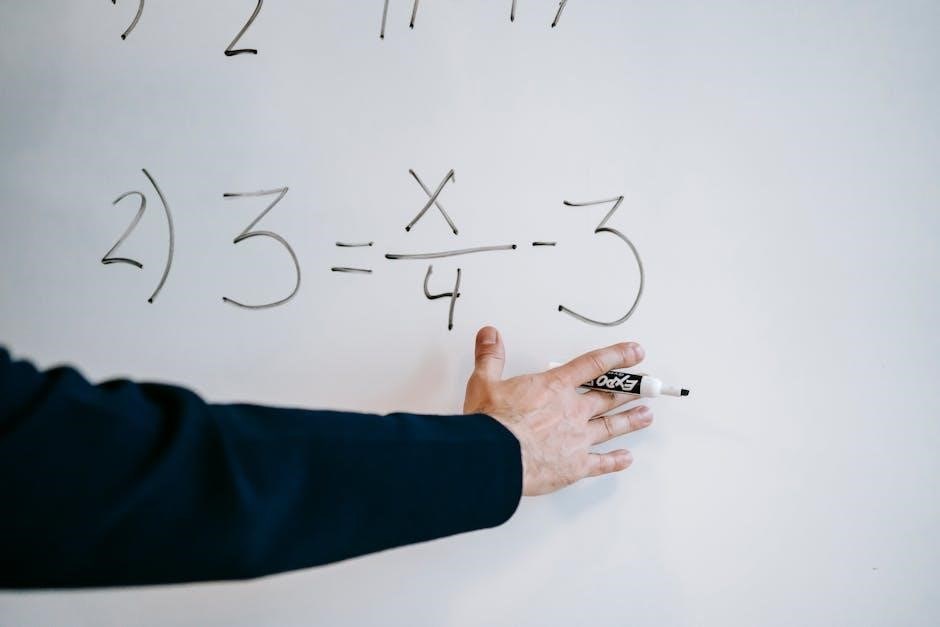
Practicing with sample test questions is paramount for success in Year 9 maths. Begin by carefully reading each problem, identifying key information, and determining the appropriate mathematical concepts needed for a solution. Show all your work – this allows for partial credit even if the final answer is incorrect, and helps pinpoint errors.

Focus on understanding why a particular method works, not just memorizing steps. Utilize provided answer keys to check your solutions, but don’t stop there! Analyze incorrect answers to understand the mistake. Were there calculation errors, or a misunderstanding of the concept? Regularly solving varied problems builds confidence and improves problem-solving skills. Remember, consistent practice is key to mastering the material.

Analyzing Answers and Identifying Weaknesses

Post-test analysis is as important as taking the test itself. Don’t simply check if your answer is correct; delve deeper. For each incorrect answer, meticulously review your working. Identify the precise step where the error occurred – was it a miscalculation, a flawed application of a formula, or a conceptual misunderstanding?

Categorize your errors. Are you consistently struggling with a specific topic, like algebraic equations or geometry proofs? This pinpointing of weaknesses allows for targeted revision. Utilize resources like textbooks, online tutorials, or seek help from teachers or peers to address these areas. Consistent self-assessment and focused improvement are crucial for maximizing your potential.

Resources for Additional Practice

Beyond standard textbooks, a wealth of resources exists to bolster your Year 9 maths skills. Numerous websites offer free practice questions and detailed solutions, often categorized by topic. Khan Academy provides comprehensive video lessons and interactive exercises, covering a broad spectrum of mathematical concepts.

Look for online platforms specifically designed for exam preparation, offering mock tests mirroring the CBSE format. Don’t underestimate the value of past papers; working through previous years’ tests familiarizes you with question styles and difficulty levels. Consider workbooks containing extra practice problems and step-by-step answer keys. Remember, consistent practice is key to building confidence and achieving success.

Tips for Exam Success

To maximize your performance on the Year 9 maths exam, prioritize consistent revision and focused practice. Thoroughly understand core concepts rather than rote memorization. Carefully read each question, identifying key information and required operations before attempting a solution.

Manage your time effectively during the exam, allocating sufficient time to each question. Show all your working clearly, as partial credit may be awarded. Double-check your answers, paying attention to arithmetic errors and units. Familiarize yourself with the exam format, including competency-based questions, to reduce anxiety and boost confidence. A calm and prepared mindset is crucial for success!


step by step cross stitch symbols guide

Embarking on a cross stitch journey? Understanding symbols is paramount; they translate designs onto fabric, offering a visual roadmap for beautiful creations;

Cross stitch relies on a symbolic language, representing each stitch with a unique mark, enabling intricate patterns and detailed artwork to come alive․

This guide will demystify these symbols, empowering you to confidently decode patterns and unlock your creative potential in this rewarding craft․

What is Cross Stitch?

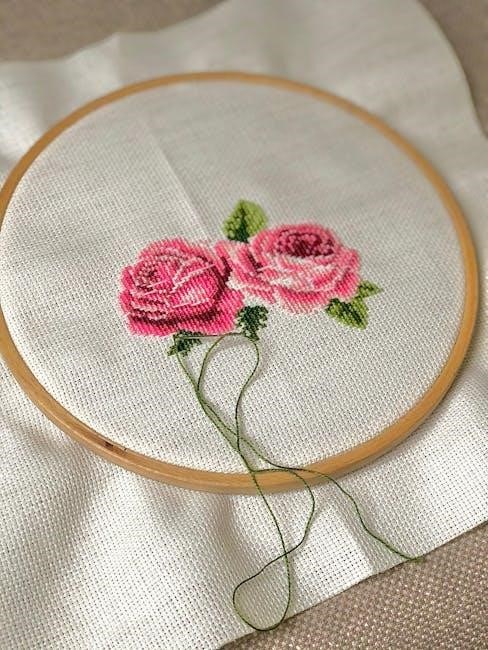
Cross stitch is a form of counted-thread embroidery, meaning stitches are made over a specific number of fabric threads, creating a pixelated design․ It’s a wonderfully accessible craft, requiring minimal specialized tools – fabric, thread, a needle, and a pattern are the essentials to begin your artistic adventure․

Historically, cross stitch was a popular pastime, adorning household linens and samplers․ Today, it enjoys a vibrant resurgence, with patterns ranging from simple motifs to incredibly detailed landscapes and portraits․ The beauty lies in its versatility; designs can be as intricate or as straightforward as desired․

Each ‘X’ shaped stitch forms the foundation of the design, and patterns utilize symbols to indicate stitch color and placement․ Mastering these symbols is the key to successfully translating a pattern onto fabric, bringing your chosen design to life, one stitch at a time․

Why Understanding Symbols is Crucial

Decoding cross stitch symbols isn’t merely helpful; it’s absolutely essential for accurate pattern interpretation․ Without a firm grasp of what each symbol represents – a specific color of floss, a stitch type, or even a background space – your finished piece will inevitably deviate from the intended design․

Imagine attempting to build something from instructions written in a language you don’t understand! That’s precisely the frustration encountered when ignoring the symbol key․ Correct symbol recognition prevents errors, saves time, and ensures a satisfying result․

Furthermore, understanding symbols unlocks access to a vast library of patterns․ It empowers you to tackle complex designs with confidence, fostering creativity and allowing you to fully enjoy the meditative and rewarding process of cross stitch․

Basic Cross Stitch Symbols

Let’s begin with the fundamentals! Core symbols form the building blocks of any cross stitch pattern, representing stitches and guiding your needlework․

Mastering these basics is crucial for successfully translating designs onto your fabric․

The Standard ‘X’ Symbol

The cornerstone of cross stitch is, unsurprisingly, the ‘X’ symbol! This represents a complete cross stitch, formed by two diagonal stitches intersecting each other․

Typically, you’ll work a row of half stitches (either all top-to-bottom or all bottom-to-top) and then complete the ‘X’ on the return pass․ Consistency in stitch direction is key for a neat, professional finish – choose one direction and stick with it throughout your project․

The ‘X’ symbol on a pattern indicates where a full cross stitch should be placed․ Pay close attention to the color key; each ‘X’ will correspond to a specific thread color․ Beginners often find it helpful to start with a small section of the pattern, focusing on completing all the ‘X’ stitches in that area before moving on․ This builds confidence and ensures accuracy․

Remember, the size of the ‘X’ on the pattern grid represents the size of the stitch on your fabric․

Half Stitch Symbols (1/2, ¼)

Half stitch symbols, denoted as 1/2 or ¼, represent incomplete cross stitches․ These are frequently used for shading, blending colors, or creating subtle details within a design․

A ‘1/2’ symbol indicates one diagonal stitch of a complete ‘X’, while ‘¼’ signifies a smaller, fractional stitch – often used for very fine highlights or textures․ These partial stitches add depth and realism to your cross stitch projects․

When encountering these symbols, carefully observe the direction of the diagonal stitch indicated on the pattern․ Completing a series of half stitches in the same direction creates a smooth transition or gradual shading effect․ They are essential for achieving nuanced color variations and intricate designs beyond simple full cross stitches․

Mastering these symbols unlocks a new level of artistry in your work․

Three-Quarter Stitch Symbols (¾)

Three-quarter stitch symbols (¾) represent stitches that cover more area than a half stitch, but less than a full cross․ They are a valuable tool for achieving subtle shading and textural effects in cross stitch designs, offering a middle ground between defined and blended areas․

These symbols typically indicate a stitch that completes three out of the four segments of a full ‘X’․ They’re often used to soften edges, create a sense of depth, or add a delicate highlight to a specific area of the pattern․

Pay close attention to the pattern’s key to understand the intended direction and placement of the ¾ stitch․ Consistent application of these stitches will enhance the overall visual appeal and complexity of your finished piece, adding a professional touch․

Experimenting with ¾ stitches expands your creative possibilities․

Commonly Used Symbols & Their Meanings

Decoding common symbols unlocks pattern comprehension․ Squares, lines, and varied shapes dictate stitch types, colors, and placement, forming the foundation of your cross stitch artwork․

Solid Square Symbols (●) ⎯ Full Stitches

The solid square (●) is arguably the most fundamental symbol in cross stitch, universally representing a complete, full cross stitch․ This symbol signifies that you should create a standard ‘X’ shape, covering one square on your Aida cloth or fabric․

Typically, each solid square will be accompanied by a corresponding color code, found within the pattern’s key or legend․ This color code dictates the shade of floss you should use for that particular stitch․

When encountering a cluster of solid squares, work each ‘X’ individually, ensuring consistent tension for a neat and even finish․ Pay close attention to the direction of your stitches; maintaining consistency (e․g․, always top left to bottom right) enhances the overall appearance․

Solid squares are the building blocks of most cross stitch designs, forming images, letters, and intricate patterns․ Mastering this symbol is the first crucial step towards successful stitching!

Empty Square Symbols (□) ౼ Background/Empty Spaces

The empty square symbol (□) indicates areas of the design that should remain blank, representing background space or areas where no stitching is required․ These squares are crucial for defining shapes and creating visual breathing room within your cross stitch piece․

Often, patterns utilize empty squares to create negative space, allowing the stitched elements to stand out more prominently․ Ignoring these symbols will result in a densely stitched design, potentially obscuring the intended image․

While seemingly simple, understanding the purpose of empty squares is vital for accurate pattern interpretation․ They aren’t errors; they are deliberate design choices!

Sometimes, patterns may use different shades of empty squares to indicate varying background depths or textures, though this is less common․ Always refer to the pattern key for clarification․ Respecting these empty spaces ensures your finished piece faithfully reflects the designer’s vision․

Diagonal Line Symbols (/) & ౼ Shading & Detail

Diagonal line symbols – both forward slash (/) and backslash – are frequently employed to introduce shading and subtle detail into cross stitch designs․ Unlike full stitches represented by solid symbols, these lines indicate partial stitches, typically half stitches, used to create tonal variations․

The direction of the diagonal line dictates the direction of the half stitch․ A forward slash usually means a stitch rising from left to right, while a backslash indicates a stitch descending from left to right․

Mastering these symbols allows for a more nuanced and realistic representation of the design․ They’re essential for adding depth, highlights, and shadows, elevating your cross stitch from flat to dimensional․

Pay close attention to the pattern key, as the specific interpretation of diagonal lines can vary․ Careful execution of these partial stitches is key to achieving the desired shading effect․

Advanced Cross Stitch Symbols

Beyond basic stitches, advanced techniques utilize specialized symbols for backstitch, French knots, and intricate blending, adding texture and realism to your projects․

Backstitch Symbols (–, •–•–)

Backstitch is a foundational outlining technique in cross stitch, creating defined lines and adding detail to your finished piece․ Commonly represented by a simple dash (–) or a dashed-dotted line (•–•–) on patterns, it’s worked after completing the cross stitches․

The symbol indicates a single stitch backward along the design line․ A longer dash might signify multiple backstitches in a row․ Pay close attention to the pattern key, as variations exist! Backstitch isn’t a cross stitch; it’s a straight stitch, typically using the same thread as the main design, or a complementary color for emphasis․

Mastering backstitch elevates your work, providing crisp edges and enhancing the overall aesthetic․ It’s perfect for lettering, facial features, and adding subtle shadows, transforming a simple design into a polished masterpiece․

French Knot Symbols (o)

French knots add texture and dimension to cross stitch projects, often representing flower centers, eyes, or small decorative elements․ The symbol for a French knot is universally a small circle (o) on a pattern․ However, don’t let their small size fool you – they require a bit of practice!

To create a French knot, bring your needle up through the fabric, wrap the thread around the needle one or more times (more wraps create a larger knot), and then insert the needle back down close to the original entry point․

Maintaining consistent tension is key․ A tight knot sits neatly on the surface, while a loose knot can unravel․ French knots can seem daunting, but with patience and practice, you’ll master this charming technique, adding delightful detail to your embroidery․

Blending & Shading Symbols

Achieving realistic depth and form in cross stitch relies heavily on blending and shading techniques․ Patterns often employ varied symbols to indicate subtle color changes, creating a smooth transition between shades․ These aren’t always standardized; the pattern’s key is crucial․

You might encounter symbols representing fractional stitches (like 1/2 or 1/4) used to soften edges or create gradual shading․ Alternatively, patterns may utilize different colored symbols within the same area, instructing you to alternate between similar hues․

Pay close attention to the pattern’s color key and symbol placement․ Careful execution of these blending techniques will elevate your cross stitch, transforming a flat design into a visually captivating piece of art․

Alphabet & Number Symbols

Personalization is key! Cross stitch patterns frequently incorporate letters and numbers, utilizing distinct symbols for each character, allowing customized designs․

These symbols vary, so always consult the pattern’s key for accurate representation and seamless integration into your beautiful, finished project․

Uppercase Alphabet Symbols in Cross Stitch

Decoding the letters: Uppercase alphabet symbols in cross stitch patterns aren’t standardized, meaning each designer often employs unique representations for each letter․ Commonly, you’ll encounter variations of squares, diagonals, and even miniature cross stitch formations to depict A through Z․

For instance, ‘A’ might be represented by a triangle combined with a short diagonal line, while ‘B’ could utilize two curved shapes or a series of small squares․ ‘C’ often appears as an open arc, and ‘D’ as a similar, but closed, shape․ Patterns frequently use a symbol key, a crucial component that visually links each symbol to its corresponding letter․

Embroidery design vector fonts often showcase these variations, providing a visual library of possibilities․ When encountering a new pattern, meticulously review the symbol key before beginning to ensure accurate stitch placement and a beautifully rendered, personalized design․ Remember, consistency is key – stick to the key throughout your project!

Lowercase Alphabet Symbols in Cross Stitch

Navigating the smaller letters: Lowercase alphabet symbols in cross stitch present a unique challenge due to their smaller size and often more complex shapes․ Designers utilize a diverse range of symbols, frequently building upon the uppercase counterparts but with added curves and diminished dimensions․

Expect to see ‘a’ represented by a small, rounded shape, perhaps a partial circle or a curved line with a short tail․ ‘b’ might be a simplified version of the uppercase ‘B’, while ‘c’ could be a smaller, more delicate arc․ The symbol key is especially vital here, as distinguishing between similar lowercase letters (like ‘u’ and ‘v’) can be tricky․

Pattern creators often prioritize clarity, employing distinct symbols even for visually similar letters․ Always double-check your work against the key, and consider using a highlighter to mark off completed letters for increased accuracy․ Careful attention to these details ensures a polished and legible finished piece․

Numeric Symbols (0-9) in Cross Stitch

Decoding the digits: Numeric symbols in cross stitch patterns are essential for projects incorporating dates, quantities, or specific numerical elements․ Unlike letters, numbers often utilize simplified geometric shapes for ease of stitching and clear distinction on the grid․

The symbol for ‘0’ is frequently a small circle or oval․ ‘1’ might appear as a simple diagonal line, while ‘2’ could be a curved shape resembling a crescent․ ‘3’ often takes the form of two connected curves, and ‘4’ could be a simplified angular shape․ Designers prioritize clarity, ensuring each number is easily identifiable․

Pay close attention to the symbol key, as variations exist․ Consistent referencing prevents errors and maintains the pattern’s integrity․ When stitching numbers, work slowly and deliberately, verifying each digit against the key before completing it․

Specialty Symbols & Techniques

Beyond the basics: Specialty symbols denote unique threads or techniques, like metallic sheen, confetti sparkle, or blending filaments, adding texture and dimension․

Metallic Thread Symbols

Identifying Metallic Threads: Cross stitch patterns utilizing metallic threads often employ distinct symbols to differentiate them from standard floss․ These symbols frequently incorporate variations of existing shapes, such as a shaded square (◊) or a square with a crosshatch pattern (▦)․ Some designers use specific color variations within the symbol itself, like a gold or silver hue, to visually indicate the metallic nature of the thread․

Decoding the Pattern: Always consult the pattern’s key or legend to confirm the exact symbol representing the metallic thread․ The key will specify the thread type (e․g․, gold metallic, silver metallic) and often the brand and color number․ Pay close attention, as metallic threads can be more delicate and require a different needle size than standard cotton floss․ Using the correct needle prevents snagging and breakage․

Stitching with Metallics: When stitching with metallic threads, use a shorter length of thread to minimize tangling․ Gentle handling is crucial; avoid pulling the thread too tightly, as it can fray or break easily․ A smooth fabric surface also helps prevent snags․

Blending Filament Symbols

Recognizing Blending Filaments: Blending filaments, like Kreinik blending filament or similar products, add a subtle shimmer and texture to cross stitch․ Patterns denote these with symbols distinct from standard floss, often featuring a wavy line (~) or a dotted square (⠰)․ Designers may also utilize a lighter shade of the base color within the symbol to suggest the filament’s translucent quality․

Interpreting the Chart: The pattern key is essential for accurate identification․ It will specify the filament type and color․ Blending filaments are not stitched as full crosses; instead, they’re typically couched (laid across the fabric) and secured with tiny stitches using a contrasting or matching thread․

Technique & Application: Use a tapestry needle with a large eye to accommodate the filament․ Gently lay the filament across the designated area and secure it with small, evenly spaced stitches․ Avoid pulling the filament too tight, allowing it to create a soft, blended effect․

Confetti/Sparkle Symbols

Identifying Confetti & Sparkle: Confetti or sparkle threads introduce dazzling highlights to cross stitch designs․ These are typically represented by symbols like small stars (★), tiny circles (•), or even miniature bursts (✱)․ The pattern key will clearly indicate if these are actual metallic threads or specialty floss designed to mimic sparkle․

Decoding the Pattern: Unlike standard floss, confetti/sparkle threads are often used sparingly, accentuating specific areas․ The chart will specify the exact placement and color․ These threads are frequently stitched as single strands or short stitches to maximize their reflective qualities․

Stitching Techniques: Use a tapestry needle with a larger eye to prevent fraying․ When stitching, avoid pulling the thread too tightly, allowing it to catch the light․ Consider using a coordinating or contrasting color for securing the ends to enhance the sparkle effect․

Decoding Cross Stitch Patterns

Unlocking the design requires understanding the pattern’s key, color codes, and grid layout; these elements work together to translate symbols into a finished masterpiece․

Symbol Keys & Legend

The symbol key, or legend, is your essential cross stitch decoder! It’s typically found alongside the pattern grid and meticulously lists each symbol used, paired with its corresponding floss color․ Think of it as a Rosetta Stone for your stitchery․

Each symbol represents a specific color of thread․ The key will often display a small square filled with the color, alongside the floss number (e․g․, DMC 310)․ Some patterns use shading within the symbol to indicate variations in color or stitch type․

Pay close attention to any notes accompanying the key․ These might explain special techniques, like blending filaments or using metallic threads․ A well-designed key is clear, concise, and easy to reference throughout your project, ensuring accurate and enjoyable stitching․

Always double-check the key before starting and periodically during stitching to avoid errors!

Color Coding & Symbol Association

Effective cross stitch relies on a strong link between symbols and colors․ Patterns rarely use just one color; instead, they employ a palette, each shade assigned a unique symbol for clarity․ This association is crucial for accurate replication of the design․

Designers strategically choose symbols to visually differentiate colors on the grid․ Common practice involves using darker symbols for darker threads and lighter symbols for lighter shades․ However, don’t assume – always refer to the symbol key!

Some patterns utilize color-coded symbols, where the symbol itself is filled with the actual floss color․ This provides an immediate visual cue, simplifying the stitching process․ Consistent symbol-to-color mapping prevents confusion and ensures a harmonious finished piece․

Careful attention to this detail guarantees a beautiful and accurate result․

Reading Pattern Grids

Cross stitch patterns are presented on grids, resembling a graph paper representation of your finished design․ Each square on the grid corresponds to one stitch on your fabric, and is filled with a symbol indicating the color to use․ Understanding how to read these grids is fundamental․

Typically, the grid is read row by row, from right to left (for right-handed stitchers)․ Locate the starting point, often marked on the pattern, and begin stitching each symbol in sequence․ Pay attention to the grid’s scale; it indicates how many stitches equal one inch or centimeter․

Some patterns include highlighted sections or arrows to guide you․ Don’t be intimidated by large grids; break them down into smaller, manageable sections․ Accurate grid reading ensures your finished piece faithfully reflects the original design․

Resources for Cross Stitch Symbols

Numerous online libraries and websites offer extensive symbol collections and pattern resources, aiding your cross stitch endeavors and expanding your creative horizons․

Online Symbol Libraries

Discover a wealth of digital resources dedicated to cross stitch symbols! Websites like DMC’s online resource provide comprehensive charts and guides, showcasing their extensive floss color range alongside corresponding symbols․ Several independent embroidery blogs and forums curate user-submitted symbol libraries, offering unique and specialized designs․

Pinterest serves as a visual treasure trove, brimming with cross stitch pattern links and symbol collections․ Dedicated cross stitch pattern websites often feature searchable symbol databases, allowing you to quickly identify and understand various stitch representations․ These online libraries frequently categorize symbols by technique – full stitches, half stitches, backstitch, and specialty elements – streamlining your pattern decoding process․

Exploring these resources will significantly enhance your understanding and ability to interpret complex cross stitch patterns, fostering a more enjoyable and successful crafting experience․

Cross Stitch Pattern Websites

Numerous websites specialize in offering downloadable cross stitch patterns, often including detailed symbol keys and legends․ Etsy boasts a vibrant community of independent designers selling unique and diverse patterns, catering to all skill levels and interests․ Larger retailers like 123Stitch and EverythingCrossStitch․com provide extensive catalogs with searchable databases․

Many pattern websites allow you to preview the pattern grid, clearly displaying the symbols used and their corresponding floss colors․ Some offer interactive pattern viewers, enabling you to zoom in and out for detailed examination․ Look for websites that provide both PDF and digital pattern formats for convenient access․

These platforms are invaluable for discovering new designs and learning how different designers utilize symbols to create stunning visual effects․

brad pitt fight club workout pdf

Brad Pitt’s transformative physique in Fight Club remains a fitness icon, inspiring countless individuals to seek similar results․ Many now search for a Brad Pitt fight club workout PDF to replicate his intense training regimen and achieve a comparable level of physical conditioning․

The Cultural Impact of Fight Club

Fight Club, released in 1999, quickly transcended its cinematic origins to become a significant cultural phenomenon․ The film’s exploration of masculinity, consumerism, and societal disillusionment resonated deeply with a generation․ Brad Pitt’s portrayal of Tyler Durden, a charismatic and physically imposing figure, captivated audiences and sparked a widespread interest in achieving a similar physique․

This fascination fueled a demand for information regarding the training methods employed by Pitt for the role․ Consequently, the search for a Brad Pitt fight club workout PDF became increasingly prevalent online․ The film’s influence extends beyond fitness, impacting fashion, philosophy, and even political discourse, solidifying its place in popular culture and continuing to drive interest in the associated lifestyle․

Why Brad Pitt’s Transformation is Iconic

Brad Pitt’s physical transformation for Fight Club stands out due to its authenticity and dedication to functional fitness․ Unlike typical Hollywood portrayals emphasizing bulk, Pitt’s physique was lean, agile, and demonstrably strong – reflecting a fighter’s build․ This realism resonated with audiences seeking attainable, yet challenging, fitness goals․

The intensity of his training, often sought after through a Brad Pitt fight club workout PDF, showcased a commitment to a holistic approach encompassing strength, endurance, and skill․ His transformation wasn’t merely aesthetic; it embodied the character’s rebellious spirit and physical prowess, making it a lasting symbol of dedication and a benchmark for fitness transformations․

Understanding the Fight Club Workout Philosophy

Fight Club’s training wasn’t about aesthetics; it prioritized functional strength, cardiovascular endurance, and core stability – principles often detailed in a Brad Pitt fight club workout PDF․

Focus on Functional Strength

Functional strength, central to the Fight Club approach, emphasizes movements mirroring real-life activities, unlike isolated bodybuilding exercises․ A legitimate Brad Pitt fight club workout PDF will prioritize compound lifts – squats, deadlifts, bench presses – building overall power and usability;

This philosophy aims to develop strength applicable to various physical challenges, fostering a robust and resilient physique․ The goal wasn’t simply to look strong, but to be strong, capable of handling demanding physical tasks․ Expect a PDF to include exercises that engage multiple muscle groups simultaneously, improving coordination and balance alongside raw strength․ This holistic approach is key to replicating Pitt’s character’s physicality․

Cardiovascular Endurance as a Key Component

Beyond brute strength, cardiovascular endurance was crucial to Brad Pitt’s Fight Club physique, reflecting the character’s relentless fighting style․ A comprehensive Brad Pitt fight club workout PDF won’t solely focus on weightlifting; it will integrate demanding cardio routines․

Expect to find interval training – sprints and burpees – designed to improve both aerobic and anaerobic capacity․ This builds stamina, allowing for sustained high-intensity effort․ The PDF should emphasize conditioning drills mimicking the unpredictable nature of fight scenarios․ Developing a strong cardiovascular base is essential for recovery between rounds and maintaining performance throughout prolonged physical exertion, mirroring the film’s brutal fight sequences․

The Importance of Core Stability

A frequently overlooked, yet vital, aspect of the Fight Club physique is exceptional core stability․ Any legitimate Brad Pitt fight club workout PDF will prioritize exercises targeting these muscles․ A strong core isn’t just about aesthetics; it’s foundational for power transfer and injury prevention․

Expect to see planks, Russian twists, and leg raises featured prominently; These exercises enhance rotational strength and spinal support, crucial for delivering powerful punches and absorbing impact․ Core work improves balance and coordination, essential for the dynamic movements seen in the film’s fight scenes․ Ignoring core training will hinder progress and increase the risk of strain․

Deconstructing the Workout Routine

Brad Pitt’s Fight Club transformation involved a phased approach, building strength, then adding intensity and sculpting with calisthenics – often detailed in a Brad Pitt fight club workout PDF․

Phase 1: Building a Base ⸺ Strength Training

The initial phase, frequently outlined in a Brad Pitt fight club workout PDF, focused on establishing a solid foundation of strength․ This involved a rigorous weightlifting program designed to increase overall muscle mass and power․ Core exercises included the bench press, squats, and deadlifts – foundational movements for building comprehensive strength․

Complementing the weightlifting, bodyweight exercises like push-ups, pull-ups, and dips were crucial․ These movements enhanced functional strength and prepared the body for more demanding conditioning work․ A typical Brad Pitt fight club workout PDF emphasizes proper form and progressive overload, gradually increasing weight or repetitions to continually challenge the muscles․ This phase aimed to build the raw strength necessary for subsequent phases․

Weightlifting Exercises: Bench Press, Squats, Deadlifts

A genuine Brad Pitt fight club workout PDF will heavily feature the “big three” – bench press, squats, and deadlifts․ These compound exercises are paramount for building overall strength and muscle mass․ Bench press targets the chest, shoulders, and triceps, while squats focus on the legs and glutes․ Deadlifts, arguably the most demanding, work nearly every muscle in the body․

Typically, a Brad Pitt fight club workout PDF will prescribe 3-5 sets of 5-8 repetitions for each exercise, prioritizing heavy weight and proper form․ Progressive overload is key; gradually increasing the weight lifted each week․ Remember, a well-structured PDF will also emphasize the importance of a spotter, especially during heavier sets․

Bodyweight Exercises: Push-ups, Pull-ups, Dips

Authentic Brad Pitt fight club workout PDFs complement weightlifting with a strong foundation of bodyweight exercises․ Push-ups build upper body strength, targeting the chest, shoulders, and triceps․ Pull-ups, a challenging yet effective exercise, develop back and bicep strength․ Dips, often performed on parallel bars, focus on the triceps and lower chest․

A legitimate Brad Pitt fight club workout PDF will likely include variations of these exercises to increase difficulty․ Expect to see incline/decline push-ups, wide-grip/close-grip pull-ups, and weighted dips․ Rep ranges typically fall between 8-12 repetitions for 3-4 sets, emphasizing controlled movements and full range of motion․

Phase 2: Adding Intensity ⸺ Conditioning

A comprehensive Brad Pitt fight club workout PDF transitions from base strength to high-intensity conditioning․ This phase aims to improve cardiovascular endurance and build stamina, mirroring the film’s demanding fight scenes․ Expect to find interval training protocols, like sprint intervals and burpee circuits, designed to push your limits․

Furthermore, many PDFs incorporate boxing and martial arts drills․ Shadow boxing, heavy bag work, and partner drills enhance coordination, agility, and power․ These elements aren’t just about fitness; they build the functional strength and reactive ability crucial to the Fight Club aesthetic․ Proper form and controlled intensity are paramount․

Interval Training: Sprints and Burpees

A legitimate Brad Pitt fight club workout PDF will heavily feature interval training, specifically sprints and burpees․ These exercises are foundational for building explosive power and cardiovascular endurance, replicating the chaotic energy of the film’s fight sequences․ Expect protocols like 30-second sprints followed by 30-second recovery periods, repeated for multiple rounds․

Burpees, a full-body exercise, are equally crucial․ PDFs often detail variations – standard burpees, with push-ups, or with tuck jumps – increasing intensity․ Proper form is vital to prevent injury․ The goal isn’t just exhaustion, but building functional fitness and mimicking the unpredictable demands of the Fight Club world․

Boxing and Martial Arts Drills

Authentic Brad Pitt fight club workout PDF resources will incorporate boxing and martial arts drills, reflecting the film’s core combat focus․ These aren’t about becoming a professional fighter, but developing agility, coordination, and striking power․ Expect shadow boxing routines, heavy bag work, and partner drills focusing on jabs, crosses, and hooks․

PDFs may also include basic grappling techniques or footwork exercises borrowed from disciplines like Muay Thai or Brazilian Jiu-Jitsu․ Remember, safety is paramount; proper instruction and protective gear are essential․ The aim is to build a well-rounded skillset mirroring Tyler Durden’s raw, unpredictable fighting style․

Phase 3: Sculpting the Physique ー Calisthenics

A legitimate Brad Pitt fight club workout PDF will progress to advanced calisthenics, demanding significant strength and body control․ This phase focuses on refining the physique achieved in earlier stages․ Expect exercises like muscle-ups, requiring immense upper body power and technique, alongside challenging variations of push-ups and pull-ups․

Plyometrics, such as box jumps and clapping push-ups, are crucial for developing explosive power, mirroring the film’s dynamic fight scenes․ These movements build lean muscle mass and enhance athleticism․ Remember, mastering foundational movements is vital before attempting advanced calisthenic exercises to prevent injury․

Advanced Bodyweight Movements: Muscle-ups, Handstand Push-ups

A comprehensive Brad Pitt fight club workout PDF will feature muscle-ups and handstand push-ups as pinnacle exercises, demanding exceptional strength, coordination, and control․ Muscle-ups combine a pull-up with a dip, requiring explosive power and precise technique․ Handstand push-ups build incredible shoulder and upper body strength, challenging stability and balance․

These movements aren’t for beginners; a solid foundation of pull-ups, dips, and core strength is essential․ Proper progression is key – start with assisted variations and gradually reduce assistance as strength improves․ Prioritize form over quantity to avoid injury and maximize effectiveness․

Plyometrics for Explosiveness

A genuine Brad Pitt fight club workout PDF incorporates plyometrics to develop the explosive power crucial for fight scenes and overall athleticism․ Exercises like box jumps, depth jumps, and clapping push-ups enhance reactive strength and power output․ These movements train muscles to exert maximum force in short intervals, mimicking the demands of combat․

Beginners should start with low-impact plyometrics, focusing on proper landing mechanics to minimize stress on joints․ Gradually increase intensity and complexity as fitness improves․ Remember, quality over quantity is paramount; prioritize controlled movements and adequate rest between sets to prevent injury and optimize results․

Diet and Nutrition for the Fight Club Body

Achieving the Fight Club physique requires a strategic diet, complementing the intense workout found in a Brad Pitt fight club workout PDF, prioritizing protein and complex carbs․

High Protein Intake for Muscle Recovery

Following a Brad Pitt fight club workout PDF demands a significant protein intake to facilitate optimal muscle recovery and growth․ Intense training, like that depicted in Fight Club, causes microscopic tears in muscle fibers; protein provides the necessary amino acids to repair this damage․ Aim for approximately 1 gram of protein per pound of body weight daily, distributed across multiple meals․

Excellent protein sources include lean meats (chicken, turkey, fish), eggs, dairy products (Greek yogurt, cottage cheese), and plant-based options like beans, lentils, and tofu․ Prioritizing protein post-workout is crucial, as this is when muscles are most receptive to nutrient uptake․ Supplementation with whey protein can be beneficial, but should not replace whole food sources․ Adequate protein intake is non-negotiable for achieving and maintaining the Fight Club physique․

Complex Carbohydrates for Sustained Energy

Successfully implementing a Brad Pitt fight club workout PDF requires fueling your body with complex carbohydrates․ Unlike simple sugars, complex carbs provide a sustained release of energy, essential for powering through demanding training sessions and supporting recovery․ Focus on sources like whole grains (brown rice, quinoa, oats), sweet potatoes, and fruits․

These carbohydrates are broken down more slowly, preventing energy crashes and maintaining stable blood sugar levels․ Timing is key: consume complex carbs before workouts for fuel and after workouts to replenish glycogen stores․ Avoid excessive intake of refined carbohydrates, as they offer minimal nutritional value․ Prioritizing complex carbs ensures you have the energy needed to match Pitt’s intensity․

Healthy Fats for Hormone Production

Achieving the physique showcased in a Brad Pitt fight club workout PDF isn’t solely about protein and carbs; healthy fats play a crucial role, particularly in hormone production․ Testosterone, vital for muscle growth and recovery, relies on adequate fat intake․ Incorporate sources like avocados, nuts, seeds, olive oil, and fatty fish into your diet․

These fats provide essential fatty acids, supporting optimal hormonal balance․ Don’t fear fats – they’re not the enemy! Prioritize unsaturated fats over saturated and trans fats․ Sufficient fat intake also aids in nutrient absorption and overall health․ Remember, a balanced approach is key to maximizing the benefits of your training regimen․

Finding a “Fight Club Workout PDF” ⸺ What to Look For

When seeking a Brad Pitt fight club workout PDF, prioritize credible sources and verify the information presented to avoid misinformation and potentially harmful routines․

Legitimate Sources vs․ Misinformation

Navigating the online landscape for a Brad Pitt fight club workout PDF requires discernment․ Legitimate sources often stem from certified fitness professionals, established training websites, or publications with a reputation for accuracy․ These resources typically detail the workout’s foundation in functional strength and conditioning, mirroring the film’s emphasis on real-world fitness;

Conversely, misinformation abounds․ Be wary of PDFs promising unrealistic results in short timeframes or those lacking proper exercise descriptions and safety guidelines․ Sites promoting “secret” or “exclusive” routines should be approached with skepticism․ Always cross-reference information and prioritize resources that emphasize proper form and progressive overload over quick fixes․ Remember, a genuine Fight Club-inspired workout is demanding but built on sound principles, not hype․

Key Exercises to Identify in a PDF

A credible Brad Pitt fight club workout PDF should center around foundational movements․ Expect to find variations of weightlifting staples like bench presses, squats, and deadlifts, forming the base strength component․ Crucially, bodyweight exercises – push-ups, pull-ups, and dips – will be prominent, reflecting the film’s gritty, minimalist aesthetic․

Conditioning sections should feature interval training, specifically sprints and burpees, to build cardiovascular endurance; Boxing and martial arts drills, or exercises mimicking those movements, are also essential․ Advanced PDFs might include calisthenics like muscle-ups and plyometrics․ The presence of these elements indicates a routine genuinely inspired by the film’s demanding physical preparation, rather than a generic fitness plan․

Red Flags: Unrealistic Claims and Dangerous Exercises

Be wary of any Brad Pitt fight club workout PDF promising rapid, unrealistic transformations․ Claims of achieving Pitt’s physique in weeks are highly suspect․ A legitimate program acknowledges the dedication and time required․ Exercise selection is critical; avoid PDFs promoting excessively risky or complex movements without proper progression․

Look out for routines lacking warm-up and cool-down instructions, or those neglecting form guidance․ PDFs advocating extreme volume or intensity without considering individual fitness levels are also concerning․ Prioritize safety; a good plan emphasizes proper technique and gradual increases in difficulty․ If it sounds too good to be true, or feels unsafe, it likely is․

Modifying the Workout for Your Fitness Level

Brad Pitt’s Fight Club routine demands adaptation; scale exercises based on your current ability․ Beginners should prioritize form over intensity, progressing gradually for optimal results․

Beginner Modifications

Embarking on the Fight Club inspired workout as a beginner requires significant modifications to prevent injury and build a solid foundation․ Instead of full pull-ups, utilize assisted pull-up machines or resistance bands․ For push-ups, begin with incline push-ups against a wall or elevated surface, gradually decreasing the incline as strength improves․ Squats can be modified to box squats, using a chair or bench to control depth․

Deadlifts should be approached cautiously, starting with very light weight and focusing on perfect form․ Interval training can be adapted by reducing sprint durations and increasing recovery periods․ Prioritize mastering fundamental movements before attempting advanced variations․ Remember, consistency and proper technique are paramount for long-term progress and injury prevention when following a Brad Pitt fight club workout PDF․

Intermediate Adjustments

Once a base level of fitness is established, intermediate adjustments to the Brad Pitt fight club workout PDF are crucial for continued progress․ Transition from assisted pull-ups to unassisted repetitions, focusing on controlled movements․ Increase the depth of squats and gradually add weight to barbell exercises like bench press and deadlifts․ Introduce plyometric exercises, such as box jumps, to enhance explosive power․

Interval training can be intensified by shortening recovery periods and increasing sprint durations․ Incorporate more complex bodyweight exercises like dips and L-sits; Focus on refining technique and increasing the overall volume of training․ Remember to progressively overload your muscles to stimulate further adaptation and avoid plateaus․

Advanced Progression

For those seeking the peak of the Fight Club physique, advanced progression within a Brad Pitt fight club workout PDF demands significant dedication․ Master challenging calisthenics like muscle-ups and handstand push-ups, prioritizing perfect form․ Implement weighted pull-ups and dips to further challenge upper body strength․ Explore advanced plyometrics, including depth jumps and clapping push-ups, for maximum explosiveness․

Introduce Olympic lifting variations, such as cleans and snatches, under expert guidance․ Periodize training with cycles of intensity and volume․ Focus on refining technique and pushing physical limits safely․ Remember, consistent progression and proper recovery are vital for achieving and maintaining this elite level of fitness․

Safety Considerations and Injury Prevention

Prioritize proper form and listen to your body when following a Brad Pitt fight club workout PDF; a thorough warm-up and cool-down are essential for injury prevention․

Proper Warm-up and Cool-down

Before diving into a Brad Pitt fight club workout PDF, a dynamic warm-up is crucial․ This prepares muscles for exertion, increasing blood flow and flexibility․ Include exercises like arm circles, leg swings, torso twists, and light cardio – jogging in place or jumping jacks – for approximately 5-10 minutes․

Equally important is the cool-down․ Don’t abruptly stop after intense training․ A cool-down helps gradually lower your heart rate and prevents muscle soreness․ Static stretches, holding each stretch for 20-30 seconds, targeting major muscle groups worked during the workout, are ideal․ Focus on stretching chest, back, legs, and shoulders․ Neglecting these steps significantly increases the risk of injury and hinders recovery․

Importance of Correct Form

When following a Brad Pitt fight club workout PDF, prioritizing correct form over lifting heavy weights or completing numerous repetitions is paramount․ Improper form dramatically increases the risk of strains, sprains, and more serious injuries․ Focus on controlled movements, engaging the correct muscle groups throughout each exercise․

If you’re unsure about proper technique, consider watching instructional videos or consulting a qualified fitness professional․ Start with lighter weights or bodyweight exercises to master the form before increasing the intensity․ Maintaining a neutral spine, engaging your core, and avoiding jerky movements are essential principles․ Remember, quality trumps quantity – always!

Listening to Your Body

While a Brad Pitt fight club workout PDF promises impressive results, it’s crucial to heed your body’s signals․ Pushing through pain is counterproductive and can lead to significant injuries, hindering your progress․ Differentiate between muscle soreness – a normal response to exercise – and sharp, persistent pain, which indicates a problem․

Rest and recovery are just as important as the workouts themselves․ Don’t hesitate to take rest days when needed, and adjust the intensity or volume of your training based on how you feel․ Ignoring your body’s limitations will only set you back․ Prioritize self-awareness and responsible training!

Resources and Further Reading

Explore online fitness communities and apps for support, and delve into books on functional training to enhance your understanding of the Brad Pitt fight club workout PDF․

Online Communities and Forums

Engaging with online communities dedicated to fitness and the Fight Club workout can provide invaluable support and motivation․ Numerous forums and social media groups are populated with individuals actively pursuing similar goals, sharing their experiences, and offering advice regarding the Brad Pitt fight club workout PDF․

These platforms often feature detailed discussions on exercise technique, nutritional strategies, and modifications for different fitness levels․ Users frequently share their progress, troubleshoot challenges, and provide constructive feedback․ Seeking guidance from experienced members can help refine your approach and prevent potential injuries․ Remember to critically evaluate information and prioritize advice from qualified professionals within these spaces․

Recommended Fitness Apps

Several fitness applications can assist in structuring and tracking a Brad Pitt fight club workout PDF-inspired routine․ Apps like Jefit and Fitbod allow for customized workout creation, exercise logging, and progress monitoring, essential for replicating the phased approach․

Others, such as Nike Training Club or Adidas Training by Runtastic, offer pre-designed workout programs that can be adapted to incorporate elements of functional strength, conditioning, and calisthenics․ Utilizing these apps can help maintain consistency, track personal bests, and visualize improvements․ Remember to supplement app-based guidance with proper form instruction and listen to your body’s limitations․

Books on Functional Training and Bodyweight Exercises

To truly understand the principles behind a Brad Pitt fight club workout PDF, supplementing your routine with relevant literature is invaluable․ “Convict Conditioning” by Paul Wade focuses extensively on progressive bodyweight training, mirroring the calisthenics phase․

Additionally, “Functional Anatomy” by Gray Cook provides a detailed understanding of movement mechanics, crucial for executing exercises with correct form and preventing injury․ Books on CrossFit or general strength and conditioning will also offer insights into the functional strength and conditioning components․ These resources enhance comprehension beyond simply following a workout plan․

the african american odyssey 7th edition pdf free

The African American Odyssey, 7th Edition: A Comprehensive Overview

Seeking a free PDF of “The African American Odyssey, 7th Edition” is common among students,
particularly those in courses like BlAS 140-B at SDSU, though legality is a concern․
Studentebookhub․com offers a PDF ebook for purchase, providing a preview of 55 pages before download․

Availability and Editions

“The African-American Odyssey, 7th Edition” is available in multiple formats to cater to diverse student needs and preferences․ Amazon․com currently lists both the combined volume and a Revel access code edition․ Notably, the “Books a la Carte” edition, a convenient three-hole-punched, loose-leaf version, offers a cost-effective alternative to the traditional textbook, significantly reducing expenses․

However, the demand for a free PDF version is prevalent, as evidenced by student inquiries on platforms like Reddit (r/SDSU)․ While readily searchable online, accessing a legitimate, free PDF is challenging due to copyright restrictions․ Studentebookhub․com provides a PDF ebook for purchase, offering a 55-page preview before requiring payment․

Before purchasing any edition, students should verify the correct ISBN with their instructor or course syllabus to ensure compatibility with course requirements․ The Revel access code provides digital access to the content through Pearson’s Revel platform․

PDF Accessibility and Legality

The pursuit of a free PDF of “The African-American Odyssey, 7th Edition” raises significant concerns regarding copyright and legality․ While numerous online sources may offer downloadable PDFs, their legitimacy and adherence to copyright laws are often questionable․ Unauthorized distribution of copyrighted material constitutes piracy and carries potential legal ramifications․

Students seeking affordable access should explore legitimate alternatives like the “Books a la Carte” edition available on Amazon, which offers a substantial cost reduction compared to the traditional textbook․

Websites like Studentebookhub․com offer the PDF ebook for purchase, but caution is advised when downloading from unverified sources․ Relying on illegally obtained PDFs poses risks, including malware and inaccurate content․ Prioritizing legal and ethical access ensures support for the authors and the integrity of academic resources․

Understanding the “Books a la Carte” Edition

The “Books a la Carte” edition of “The African-American Odyssey, 7th Edition” presents a cost-effective alternative to the standard textbook․ Available on Amazon․com, this version features the complete content of the traditional text but in a convenient, three-hole-punched, loose-leaf format․ This allows for easier organization and portability, catering to diverse learning preferences․

Notably, the “Books a la Carte” edition is significantly cheaper than a new textbook, making it an attractive option for budget-conscious students․ However, it’s crucial to verify with your instructor or course syllabus (like for BlAS 140-B at SDSU) to confirm its acceptability before purchase․

While a free PDF might seem appealing, the “Books a la Carte” edition offers a legal and reliable way to access the textbook’s content at a reduced price, supporting both academic integrity and financial prudence․

Revel Access Code Option

For students utilizing Pearson’s Revel platform, “The African-American Odyssey, 7th Edition” is also available as an access code․ This option, found on Amazon․com, provides digital access to the textbook and interactive learning resources within the Revel environment․ It’s a distinct purchase from the physical “Books a la Carte” edition or a standalone PDF․

The Revel access code is tied to a specific course and offers features like embedded videos, simulations, and formative assessments designed to enhance comprehension․ While a free PDF might circumvent the cost, it lacks the integrated learning tools offered by Revel․

Students should confirm with their instructor if the Revel access code is required for their course․ Choosing this option ensures full access to the textbook and associated digital resources, fostering a more engaging and effective learning experience․

Content and Scope of the Textbook

This combined volume, authored by Hine, Hine, and Harrold, illuminates the central role of African Americans throughout U․S․ history, despite PDF access searches․

Central Theme: African Americans in U․S․ History

“The African American Odyssey” fundamentally centers on the pivotal and often overlooked contributions of African Americans to the shaping of United States history․ More than simply recounting a parallel narrative, the textbook demonstrates how African American experiences are integral to understanding the nation’s broader historical trajectory․ The work meticulously details the complexities of slavery, resistance, and the enduring struggle for civil rights, moving beyond traditional perspectives․

Despite the prevalence of online searches for a free PDF version of the 7th edition, the core focus remains the comprehensive exploration of African American life – from its origins to the present day․ The authors emphasize agency and resilience, showcasing the cultural, political, and economic impact of African Americans across centuries․ This central theme is consistently reinforced throughout the combined volume, offering a nuanced and vital perspective on American history․

Combined Volume Format

“The African American Odyssey, 7th Edition” is available in a convenient combined volume format, consolidating the entire historical narrative into a single, comprehensive text․ This edition is particularly appealing to students seeking a complete overview of African American history without the need to manage multiple books․ However, be aware that a “Books a la Carte” edition also exists – a three-hole-punched, loose-leaf version designed for cost savings․

While searches for a free PDF of the 7th edition are common, the combined volume’s structure facilitates a cohesive learning experience․ It allows for easier cross-referencing and a broader understanding of the interconnectedness of events․ Students should verify with their instructors which ISBN is required, as the “Books a la Carte” version differs from the standard combined volume․

Authors: Darlene Clark Hine, William C․ Hine, and Stanley C․ Harrold

Darlene Clark Hine, William C․ Hine, and Stanley C․ Harrold are the esteemed authors behind “The African American Odyssey, 7th Edition,” a widely respected and comprehensive text in African American history․ Their collaborative work illuminates the central role of African Americans throughout U․S․ history, offering a nuanced and detailed exploration of their experiences․

Despite the availability of various editions, including the cost-effective “Books a la Carte” version, finding a legitimate free PDF can be challenging․ The authors’ dedication to thorough research and insightful analysis makes this textbook a valuable resource for students and scholars alike․ Be cautious of unreliable online sources offering free PDFs, as copyright concerns are significant․

Historical Coverage

The text comprehensively covers African American history, from its origins to the Civil Rights Movement, though free PDF access remains a copyright concern․

Early African American History & Origins

The African American Odyssey delves into the foundational history, exploring the origins and experiences of Africans before their forced arrival in the Americas․ This section meticulously examines African societies, cultures, and political structures, providing crucial context often overlooked․ While a free PDF version is sought by many students, accessing this foundational knowledge legally is paramount․

The textbook illuminates the complexities of the transatlantic slave trade, detailing its devastating impact on African communities and the brutal conditions endured during the Middle Passage․ It doesn’t shy away from exploring the resilience and resistance exhibited by enslaved Africans, even in the earliest stages of their captivity․ Students seeking this historical depth may encounter online PDF offers, but caution regarding copyright and source reliability is strongly advised․ The combined volume aims to present a holistic understanding of this critical period․

The Era of Slavery and Resistance

“The African American Odyssey” meticulously chronicles the brutal realities of slavery in the American South, examining the economic, social, and political systems that perpetuated it․ The text doesn’t shy away from confronting difficult questions, such as allegations of forced same-sex relations and cannibalism, prompting critical discussion – as seen on Reddit’s r/SDSU forum․

However, the narrative powerfully emphasizes the agency and resistance of enslaved people․ From subtle acts of defiance to organized rebellions, the book highlights the unwavering fight for freedom and dignity․ Students searching for a free PDF version should be aware of potential copyright infringements․ The 7th edition’s combined volume format offers a comprehensive view of this era, detailing the diverse strategies employed by enslaved Africans to maintain their humanity and challenge their oppressors․

Reconstruction and Its Aftermath

“The African American Odyssey” delves into the complex period of Reconstruction following the Civil War, analyzing the initial promises of equality and the subsequent rise of Jim Crow laws․ The 7th edition’s combined volume meticulously details the political, economic, and social shifts impacting African Americans during this transformative era․

While seeking a free PDF version may be tempting for students, accessing legitimate resources is crucial․ The text explores the challenges faced by newly freed people, including systemic racism, disenfranchisement, and economic exploitation․ It also highlights the resilience and determination of African American communities in building institutions and advocating for their rights, despite facing overwhelming obstacles․ Understanding this period is vital, and the textbook provides a nuanced perspective on its lasting legacy․

The Civil Rights Movement

“The African American Odyssey, 7th Edition” provides comprehensive coverage of the Civil Rights Movement, examining its origins, key figures, and lasting impact on American society․ The combined volume details the strategies employed by activists – from nonviolent resistance to legal challenges – in the fight for racial equality․ It analyzes landmark events like Brown v․ Board of Education, the Montgomery Bus Boycott, and the March on Washington․

Students seeking a free PDF of this text should be aware of copyright concerns․ The book explores the internal debates within the movement, the role of federal intervention, and the emergence of Black Power․ It emphasizes the agency of African Americans in shaping their own destiny and challenging systemic oppression․ This period is crucial for understanding contemporary issues of race and justice․

Academic Use and Resources

For courses like BlAS 140-B at SDSU, students discuss topics inspired by the text, while a Google Drive resource offers supplemental black literature and history․

Use in College Courses (e․g․, BlAS 140-B at SDSU)

“The African American Odyssey, 7th Edition” is frequently utilized in college-level African American Studies courses, such as BlAS 140-B at San Diego State University (SDSU)․ Students enrolled in these courses often seek affordable access to the textbook, leading to discussions on platforms like Reddit (r/SDSU) regarding PDF availability․ However, obtaining a free PDF raises concerns about copyright and legality․

The textbook’s comprehensive coverage of African American history sparks engaging discussions, prompting students to explore complex themes and historical events․ The course syllabus typically dictates the required edition – the combined volume, Books a la Carte edition, or the Revel Access Code – emphasizing the importance of selecting the correct ISBN before purchase․ Students are encouraged to verify requirements with their instructor․

While a Google Drive resource containing black literature and history materials exists, it serves as a supplement, not a replacement, for the core textbook content․

Finding Supplemental Materials (Google Drive Resources)

While a free PDF of “The African American Odyssey, 7th Edition” is sought by some students, a valuable supplemental resource exists in the form of a Google Drive compilation of Black literature and history materials․ This collection, highlighted on Reddit, offers a broader context for understanding the themes explored within the textbook, enriching the learning experience․

However, it’s crucial to remember that this Google Drive resource is not a substitute for the required textbook․ It serves as a complementary tool, providing additional perspectives and primary sources to deepen comprehension of African American history․ Students should utilize it to expand their knowledge base, but always prioritize the core content presented in Hine, Hine, and Harrold’s work․

Accessing this drive can aid research and discussion, but reliance solely on external sources is discouraged․

Discussion Topics Inspired by the Text

Considering the search for a free PDF of “The African American Odyssey, 7th Edition,” discussions can center on access to educational materials and the ethics of digital piracy․ Examining the cost comparison between the textbook, the “Books a la Carte” edition, and potentially illegally obtained PDFs raises important questions about affordability and academic integrity․

Furthermore, the text’s coverage of sensitive topics – like the controversial claims regarding forced relations and cannibalism during slavery, as debated on Reddit – provides fertile ground for critical analysis․ Students can explore the historical evidence, differing interpretations, and the importance of nuanced understanding when confronting difficult pasts․

Discussions should also focus on the central theme of the book: the pivotal role of African Americans throughout U․S․ history․

Potential Issues & Considerations

Obtaining a free PDF carries copyright and piracy risks; online sources may be unreliable, and purchasing options—like Revel access or the Books a la Carte edition—exist․

Copyright and Piracy Concerns

The pursuit of a free PDF version of “The African American Odyssey, 7th Edition” raises significant copyright and piracy concerns․ Distributing or downloading copyrighted material without authorization is illegal and unethical, potentially leading to legal repercussions for students․

While the desire for affordable educational resources is understandable, especially given textbook costs, circumventing copyright protections undermines the authors’ and publishers’ rights․

Numerous websites offering “free” PDFs may harbor malware or viruses, compromising your digital security․ Furthermore, the quality of illegally obtained PDFs can be poor, impacting your learning experience․

Legitimate alternatives, such as purchasing the Books a la Carte edition, renting digital copies, or utilizing library resources, offer ethical and secure access to the textbook’s content․ Prioritizing legal avenues supports the creation of future educational materials․

Reliability of Online PDF Sources

Searching for a free PDF of “The African American Odyssey, 7th Edition” online presents substantial reliability issues․ Many websites claiming to offer free downloads are often untrustworthy and pose risks to your digital security․ These sources may contain malware, viruses, or other harmful software disguised as legitimate textbook files․

The quality of PDFs found on unofficial platforms is frequently compromised, featuring missing pages, distorted formatting, or low resolution, hindering comprehension․

Furthermore, the information presented in unauthorized PDFs may be outdated or inaccurate, potentially impacting academic performance․ Studentebookhub․com is presented as a source, but careful evaluation of any such site is crucial․

Relying on unverified sources jeopardizes your academic integrity and exposes you to potential cyber threats․ Prioritizing official channels, like Amazon or Revel Access Codes, ensures access to a reliable and authentic version of the textbook․

Cost Comparison: Textbook vs․ Alternatives

Considering the cost of “The African American Odyssey, 7th Edition” necessitates comparing various options․ A new, traditional textbook carries a significant price tag․ However, the “Books a la Carte” edition, a three-hole-punched, loose-leaf version, offers a substantial cost reduction, presenting a more affordable alternative for students․

The pursuit of a free PDF, while tempting, introduces risks and potential legal ramifications․ While sites like studentebookhub․com offer PDF access for a fee, the overall cost must be weighed against official options․

Revel Access Codes represent another avenue, potentially bundling digital access with supplementary materials․ Carefully evaluating the total cost, including potential access fees and the value of included resources, is crucial for informed decision-making․

Ultimately, balancing affordability with reliability and legality is paramount when selecting a textbook format․

Where to Purchase

Official purchase options include Amazon․com for both the combined volume and Revel Access Code editions, while studentebookhub․com provides PDF access for a fee․

Amazon․com Availability

Amazon․com offers several formats of “The African American Odyssey, 7th Edition” for purchase, catering to diverse student needs and preferences․ The combined volume, Books a la Carte Edition (ISBN: 9780134490908), is available in a convenient, three-hole-punched, loose-leaf format, often at a reduced cost compared to a traditional textbook․

Additionally, a Revel Access Code edition (ISBN: 9780134485355) is offered, providing digital access to the textbook’s content through the Revel platform․ However, it’s crucial to verify with your instructor or course syllabus to ensure you select the correct ISBN before purchasing․

Regarding free PDF access, Amazon does not legally offer the full textbook as a free download․ Be cautious of unofficial sources claiming to provide free PDFs, as these may be illegal copies or contain malware․ Purchasing through Amazon ensures you receive a legitimate and reliable product․

Studentebookhub․com (PDF Access)

Studentebookhub․com presents itself as a source for obtaining the “The African American Odyssey, 7th Edition” in PDF format․ They advertise an original PDF ebook, offering a preview of the first 55 pages to potential buyers․ Upon successful payment, a download button becomes available, allowing immediate access to the full textbook․

Furthermore, Studentebookhub․com states that a download link will also be emailed to the address provided during the transaction․ They emphasize customer support, encouraging users to contact them if they encounter any issues during the download process․

However, it’s important to exercise caution when purchasing from this or any similar website offering PDF textbooks, as the legality and reliability of such sources can be questionable․ Always consider potential copyright concerns and the risk of encountering low-quality or incomplete files․