Embarking on a cross stitch journey? Understanding symbols is paramount; they translate designs onto fabric, offering a visual roadmap for beautiful creations;
Cross stitch relies on a symbolic language, representing each stitch with a unique mark, enabling intricate patterns and detailed artwork to come alive․
This guide will demystify these symbols, empowering you to confidently decode patterns and unlock your creative potential in this rewarding craft․
What is Cross Stitch?
Cross stitch is a form of counted-thread embroidery, meaning stitches are made over a specific number of fabric threads, creating a pixelated design․ It’s a wonderfully accessible craft, requiring minimal specialized tools – fabric, thread, a needle, and a pattern are the essentials to begin your artistic adventure․
Historically, cross stitch was a popular pastime, adorning household linens and samplers․ Today, it enjoys a vibrant resurgence, with patterns ranging from simple motifs to incredibly detailed landscapes and portraits․ The beauty lies in its versatility; designs can be as intricate or as straightforward as desired․
Each ‘X’ shaped stitch forms the foundation of the design, and patterns utilize symbols to indicate stitch color and placement․ Mastering these symbols is the key to successfully translating a pattern onto fabric, bringing your chosen design to life, one stitch at a time․
Why Understanding Symbols is Crucial
Decoding cross stitch symbols isn’t merely helpful; it’s absolutely essential for accurate pattern interpretation․ Without a firm grasp of what each symbol represents – a specific color of floss, a stitch type, or even a background space – your finished piece will inevitably deviate from the intended design․
Imagine attempting to build something from instructions written in a language you don’t understand! That’s precisely the frustration encountered when ignoring the symbol key․ Correct symbol recognition prevents errors, saves time, and ensures a satisfying result․
Furthermore, understanding symbols unlocks access to a vast library of patterns․ It empowers you to tackle complex designs with confidence, fostering creativity and allowing you to fully enjoy the meditative and rewarding process of cross stitch․
Basic Cross Stitch Symbols
Let’s begin with the fundamentals! Core symbols form the building blocks of any cross stitch pattern, representing stitches and guiding your needlework․
Mastering these basics is crucial for successfully translating designs onto your fabric․
The Standard ‘X’ Symbol
The cornerstone of cross stitch is, unsurprisingly, the ‘X’ symbol! This represents a complete cross stitch, formed by two diagonal stitches intersecting each other․
Typically, you’ll work a row of half stitches (either all top-to-bottom or all bottom-to-top) and then complete the ‘X’ on the return pass․ Consistency in stitch direction is key for a neat, professional finish – choose one direction and stick with it throughout your project․
The ‘X’ symbol on a pattern indicates where a full cross stitch should be placed․ Pay close attention to the color key; each ‘X’ will correspond to a specific thread color․ Beginners often find it helpful to start with a small section of the pattern, focusing on completing all the ‘X’ stitches in that area before moving on․ This builds confidence and ensures accuracy․
Remember, the size of the ‘X’ on the pattern grid represents the size of the stitch on your fabric․
Half Stitch Symbols (1/2, ¼)
Half stitch symbols, denoted as 1/2 or ¼, represent incomplete cross stitches․ These are frequently used for shading, blending colors, or creating subtle details within a design․
A ‘1/2’ symbol indicates one diagonal stitch of a complete ‘X’, while ‘¼’ signifies a smaller, fractional stitch – often used for very fine highlights or textures․ These partial stitches add depth and realism to your cross stitch projects․
When encountering these symbols, carefully observe the direction of the diagonal stitch indicated on the pattern․ Completing a series of half stitches in the same direction creates a smooth transition or gradual shading effect․ They are essential for achieving nuanced color variations and intricate designs beyond simple full cross stitches․
Mastering these symbols unlocks a new level of artistry in your work․
Three-Quarter Stitch Symbols (¾)
Three-quarter stitch symbols (¾) represent stitches that cover more area than a half stitch, but less than a full cross․ They are a valuable tool for achieving subtle shading and textural effects in cross stitch designs, offering a middle ground between defined and blended areas․
These symbols typically indicate a stitch that completes three out of the four segments of a full ‘X’․ They’re often used to soften edges, create a sense of depth, or add a delicate highlight to a specific area of the pattern․
Pay close attention to the pattern’s key to understand the intended direction and placement of the ¾ stitch․ Consistent application of these stitches will enhance the overall visual appeal and complexity of your finished piece, adding a professional touch․
Experimenting with ¾ stitches expands your creative possibilities․
Commonly Used Symbols & Their Meanings
Decoding common symbols unlocks pattern comprehension․ Squares, lines, and varied shapes dictate stitch types, colors, and placement, forming the foundation of your cross stitch artwork․
Solid Square Symbols (●) ⎯ Full Stitches
The solid square (●) is arguably the most fundamental symbol in cross stitch, universally representing a complete, full cross stitch․ This symbol signifies that you should create a standard ‘X’ shape, covering one square on your Aida cloth or fabric․
Typically, each solid square will be accompanied by a corresponding color code, found within the pattern’s key or legend․ This color code dictates the shade of floss you should use for that particular stitch․
When encountering a cluster of solid squares, work each ‘X’ individually, ensuring consistent tension for a neat and even finish․ Pay close attention to the direction of your stitches; maintaining consistency (e․g․, always top left to bottom right) enhances the overall appearance․
Solid squares are the building blocks of most cross stitch designs, forming images, letters, and intricate patterns․ Mastering this symbol is the first crucial step towards successful stitching!
Empty Square Symbols (□) ౼ Background/Empty Spaces
The empty square symbol (□) indicates areas of the design that should remain blank, representing background space or areas where no stitching is required․ These squares are crucial for defining shapes and creating visual breathing room within your cross stitch piece․
Often, patterns utilize empty squares to create negative space, allowing the stitched elements to stand out more prominently․ Ignoring these symbols will result in a densely stitched design, potentially obscuring the intended image․
While seemingly simple, understanding the purpose of empty squares is vital for accurate pattern interpretation․ They aren’t errors; they are deliberate design choices!
Sometimes, patterns may use different shades of empty squares to indicate varying background depths or textures, though this is less common․ Always refer to the pattern key for clarification․ Respecting these empty spaces ensures your finished piece faithfully reflects the designer’s vision․
Diagonal Line Symbols (/) & ౼ Shading & Detail
Diagonal line symbols – both forward slash (/) and backslash – are frequently employed to introduce shading and subtle detail into cross stitch designs․ Unlike full stitches represented by solid symbols, these lines indicate partial stitches, typically half stitches, used to create tonal variations․
The direction of the diagonal line dictates the direction of the half stitch․ A forward slash usually means a stitch rising from left to right, while a backslash indicates a stitch descending from left to right․
Mastering these symbols allows for a more nuanced and realistic representation of the design․ They’re essential for adding depth, highlights, and shadows, elevating your cross stitch from flat to dimensional․
Pay close attention to the pattern key, as the specific interpretation of diagonal lines can vary․ Careful execution of these partial stitches is key to achieving the desired shading effect․
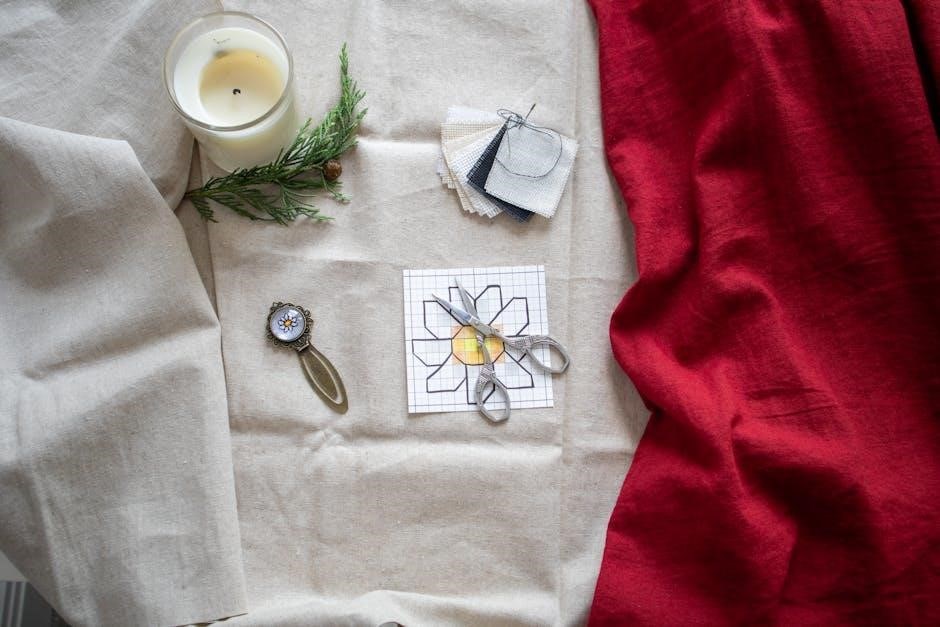
Advanced Cross Stitch Symbols
Beyond basic stitches, advanced techniques utilize specialized symbols for backstitch, French knots, and intricate blending, adding texture and realism to your projects․
Backstitch Symbols (–, •–•–)
Backstitch is a foundational outlining technique in cross stitch, creating defined lines and adding detail to your finished piece․ Commonly represented by a simple dash (–) or a dashed-dotted line (•–•–) on patterns, it’s worked after completing the cross stitches․
The symbol indicates a single stitch backward along the design line․ A longer dash might signify multiple backstitches in a row․ Pay close attention to the pattern key, as variations exist! Backstitch isn’t a cross stitch; it’s a straight stitch, typically using the same thread as the main design, or a complementary color for emphasis․
Mastering backstitch elevates your work, providing crisp edges and enhancing the overall aesthetic․ It’s perfect for lettering, facial features, and adding subtle shadows, transforming a simple design into a polished masterpiece․
French Knot Symbols (o)
French knots add texture and dimension to cross stitch projects, often representing flower centers, eyes, or small decorative elements․ The symbol for a French knot is universally a small circle (o) on a pattern․ However, don’t let their small size fool you – they require a bit of practice!
To create a French knot, bring your needle up through the fabric, wrap the thread around the needle one or more times (more wraps create a larger knot), and then insert the needle back down close to the original entry point․
Maintaining consistent tension is key․ A tight knot sits neatly on the surface, while a loose knot can unravel․ French knots can seem daunting, but with patience and practice, you’ll master this charming technique, adding delightful detail to your embroidery․
Blending & Shading Symbols
Achieving realistic depth and form in cross stitch relies heavily on blending and shading techniques․ Patterns often employ varied symbols to indicate subtle color changes, creating a smooth transition between shades․ These aren’t always standardized; the pattern’s key is crucial․
You might encounter symbols representing fractional stitches (like 1/2 or 1/4) used to soften edges or create gradual shading․ Alternatively, patterns may utilize different colored symbols within the same area, instructing you to alternate between similar hues․
Pay close attention to the pattern’s color key and symbol placement․ Careful execution of these blending techniques will elevate your cross stitch, transforming a flat design into a visually captivating piece of art․
Alphabet & Number Symbols
Personalization is key! Cross stitch patterns frequently incorporate letters and numbers, utilizing distinct symbols for each character, allowing customized designs․
These symbols vary, so always consult the pattern’s key for accurate representation and seamless integration into your beautiful, finished project․
Uppercase Alphabet Symbols in Cross Stitch
Decoding the letters: Uppercase alphabet symbols in cross stitch patterns aren’t standardized, meaning each designer often employs unique representations for each letter․ Commonly, you’ll encounter variations of squares, diagonals, and even miniature cross stitch formations to depict A through Z․
For instance, ‘A’ might be represented by a triangle combined with a short diagonal line, while ‘B’ could utilize two curved shapes or a series of small squares․ ‘C’ often appears as an open arc, and ‘D’ as a similar, but closed, shape․ Patterns frequently use a symbol key, a crucial component that visually links each symbol to its corresponding letter․
Embroidery design vector fonts often showcase these variations, providing a visual library of possibilities․ When encountering a new pattern, meticulously review the symbol key before beginning to ensure accurate stitch placement and a beautifully rendered, personalized design․ Remember, consistency is key – stick to the key throughout your project!
Lowercase Alphabet Symbols in Cross Stitch
Navigating the smaller letters: Lowercase alphabet symbols in cross stitch present a unique challenge due to their smaller size and often more complex shapes․ Designers utilize a diverse range of symbols, frequently building upon the uppercase counterparts but with added curves and diminished dimensions․
Expect to see ‘a’ represented by a small, rounded shape, perhaps a partial circle or a curved line with a short tail․ ‘b’ might be a simplified version of the uppercase ‘B’, while ‘c’ could be a smaller, more delicate arc․ The symbol key is especially vital here, as distinguishing between similar lowercase letters (like ‘u’ and ‘v’) can be tricky․
Pattern creators often prioritize clarity, employing distinct symbols even for visually similar letters․ Always double-check your work against the key, and consider using a highlighter to mark off completed letters for increased accuracy․ Careful attention to these details ensures a polished and legible finished piece․
Numeric Symbols (0-9) in Cross Stitch
Decoding the digits: Numeric symbols in cross stitch patterns are essential for projects incorporating dates, quantities, or specific numerical elements․ Unlike letters, numbers often utilize simplified geometric shapes for ease of stitching and clear distinction on the grid․
The symbol for ‘0’ is frequently a small circle or oval․ ‘1’ might appear as a simple diagonal line, while ‘2’ could be a curved shape resembling a crescent․ ‘3’ often takes the form of two connected curves, and ‘4’ could be a simplified angular shape․ Designers prioritize clarity, ensuring each number is easily identifiable․
Pay close attention to the symbol key, as variations exist․ Consistent referencing prevents errors and maintains the pattern’s integrity․ When stitching numbers, work slowly and deliberately, verifying each digit against the key before completing it․
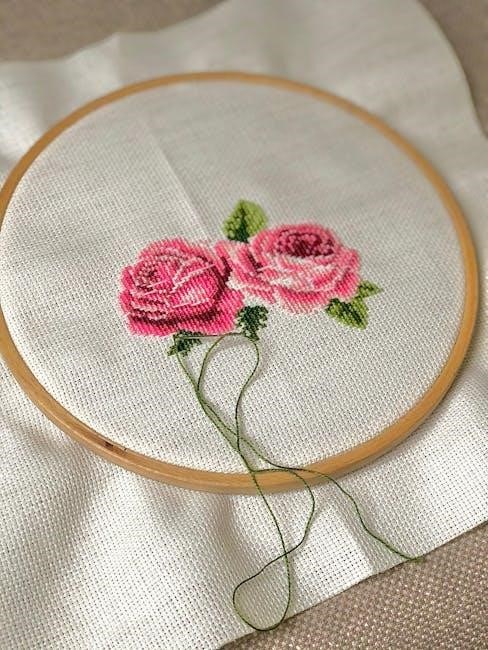
Specialty Symbols & Techniques
Beyond the basics: Specialty symbols denote unique threads or techniques, like metallic sheen, confetti sparkle, or blending filaments, adding texture and dimension․
Metallic Thread Symbols
Identifying Metallic Threads: Cross stitch patterns utilizing metallic threads often employ distinct symbols to differentiate them from standard floss․ These symbols frequently incorporate variations of existing shapes, such as a shaded square (◊) or a square with a crosshatch pattern (▦)․ Some designers use specific color variations within the symbol itself, like a gold or silver hue, to visually indicate the metallic nature of the thread․
Decoding the Pattern: Always consult the pattern’s key or legend to confirm the exact symbol representing the metallic thread․ The key will specify the thread type (e․g․, gold metallic, silver metallic) and often the brand and color number․ Pay close attention, as metallic threads can be more delicate and require a different needle size than standard cotton floss․ Using the correct needle prevents snagging and breakage․
Stitching with Metallics: When stitching with metallic threads, use a shorter length of thread to minimize tangling․ Gentle handling is crucial; avoid pulling the thread too tightly, as it can fray or break easily․ A smooth fabric surface also helps prevent snags․
Blending Filament Symbols
Recognizing Blending Filaments: Blending filaments, like Kreinik blending filament or similar products, add a subtle shimmer and texture to cross stitch․ Patterns denote these with symbols distinct from standard floss, often featuring a wavy line (~) or a dotted square (⠰)․ Designers may also utilize a lighter shade of the base color within the symbol to suggest the filament’s translucent quality․
Interpreting the Chart: The pattern key is essential for accurate identification․ It will specify the filament type and color․ Blending filaments are not stitched as full crosses; instead, they’re typically couched (laid across the fabric) and secured with tiny stitches using a contrasting or matching thread․
Technique & Application: Use a tapestry needle with a large eye to accommodate the filament․ Gently lay the filament across the designated area and secure it with small, evenly spaced stitches․ Avoid pulling the filament too tight, allowing it to create a soft, blended effect․
Confetti/Sparkle Symbols
Identifying Confetti & Sparkle: Confetti or sparkle threads introduce dazzling highlights to cross stitch designs․ These are typically represented by symbols like small stars (★), tiny circles (•), or even miniature bursts (✱)․ The pattern key will clearly indicate if these are actual metallic threads or specialty floss designed to mimic sparkle․
Decoding the Pattern: Unlike standard floss, confetti/sparkle threads are often used sparingly, accentuating specific areas․ The chart will specify the exact placement and color․ These threads are frequently stitched as single strands or short stitches to maximize their reflective qualities․
Stitching Techniques: Use a tapestry needle with a larger eye to prevent fraying․ When stitching, avoid pulling the thread too tightly, allowing it to catch the light․ Consider using a coordinating or contrasting color for securing the ends to enhance the sparkle effect․

Decoding Cross Stitch Patterns
Unlocking the design requires understanding the pattern’s key, color codes, and grid layout; these elements work together to translate symbols into a finished masterpiece․
Symbol Keys & Legend
The symbol key, or legend, is your essential cross stitch decoder! It’s typically found alongside the pattern grid and meticulously lists each symbol used, paired with its corresponding floss color․ Think of it as a Rosetta Stone for your stitchery․
Each symbol represents a specific color of thread․ The key will often display a small square filled with the color, alongside the floss number (e․g․, DMC 310)․ Some patterns use shading within the symbol to indicate variations in color or stitch type․
Pay close attention to any notes accompanying the key․ These might explain special techniques, like blending filaments or using metallic threads․ A well-designed key is clear, concise, and easy to reference throughout your project, ensuring accurate and enjoyable stitching․
Always double-check the key before starting and periodically during stitching to avoid errors!
Color Coding & Symbol Association
Effective cross stitch relies on a strong link between symbols and colors․ Patterns rarely use just one color; instead, they employ a palette, each shade assigned a unique symbol for clarity․ This association is crucial for accurate replication of the design․
Designers strategically choose symbols to visually differentiate colors on the grid․ Common practice involves using darker symbols for darker threads and lighter symbols for lighter shades․ However, don’t assume – always refer to the symbol key!
Some patterns utilize color-coded symbols, where the symbol itself is filled with the actual floss color․ This provides an immediate visual cue, simplifying the stitching process․ Consistent symbol-to-color mapping prevents confusion and ensures a harmonious finished piece․
Careful attention to this detail guarantees a beautiful and accurate result․
Reading Pattern Grids
Cross stitch patterns are presented on grids, resembling a graph paper representation of your finished design․ Each square on the grid corresponds to one stitch on your fabric, and is filled with a symbol indicating the color to use․ Understanding how to read these grids is fundamental․
Typically, the grid is read row by row, from right to left (for right-handed stitchers)․ Locate the starting point, often marked on the pattern, and begin stitching each symbol in sequence․ Pay attention to the grid’s scale; it indicates how many stitches equal one inch or centimeter․
Some patterns include highlighted sections or arrows to guide you․ Don’t be intimidated by large grids; break them down into smaller, manageable sections․ Accurate grid reading ensures your finished piece faithfully reflects the original design․

Resources for Cross Stitch Symbols
Numerous online libraries and websites offer extensive symbol collections and pattern resources, aiding your cross stitch endeavors and expanding your creative horizons․
Online Symbol Libraries
Discover a wealth of digital resources dedicated to cross stitch symbols! Websites like DMC’s online resource provide comprehensive charts and guides, showcasing their extensive floss color range alongside corresponding symbols․ Several independent embroidery blogs and forums curate user-submitted symbol libraries, offering unique and specialized designs․
Pinterest serves as a visual treasure trove, brimming with cross stitch pattern links and symbol collections․ Dedicated cross stitch pattern websites often feature searchable symbol databases, allowing you to quickly identify and understand various stitch representations․ These online libraries frequently categorize symbols by technique – full stitches, half stitches, backstitch, and specialty elements – streamlining your pattern decoding process․
Exploring these resources will significantly enhance your understanding and ability to interpret complex cross stitch patterns, fostering a more enjoyable and successful crafting experience․
Cross Stitch Pattern Websites
Numerous websites specialize in offering downloadable cross stitch patterns, often including detailed symbol keys and legends․ Etsy boasts a vibrant community of independent designers selling unique and diverse patterns, catering to all skill levels and interests․ Larger retailers like 123Stitch and EverythingCrossStitch․com provide extensive catalogs with searchable databases․
Many pattern websites allow you to preview the pattern grid, clearly displaying the symbols used and their corresponding floss colors․ Some offer interactive pattern viewers, enabling you to zoom in and out for detailed examination․ Look for websites that provide both PDF and digital pattern formats for convenient access․
These platforms are invaluable for discovering new designs and learning how different designers utilize symbols to create stunning visual effects․